Episode 183 Show Notes
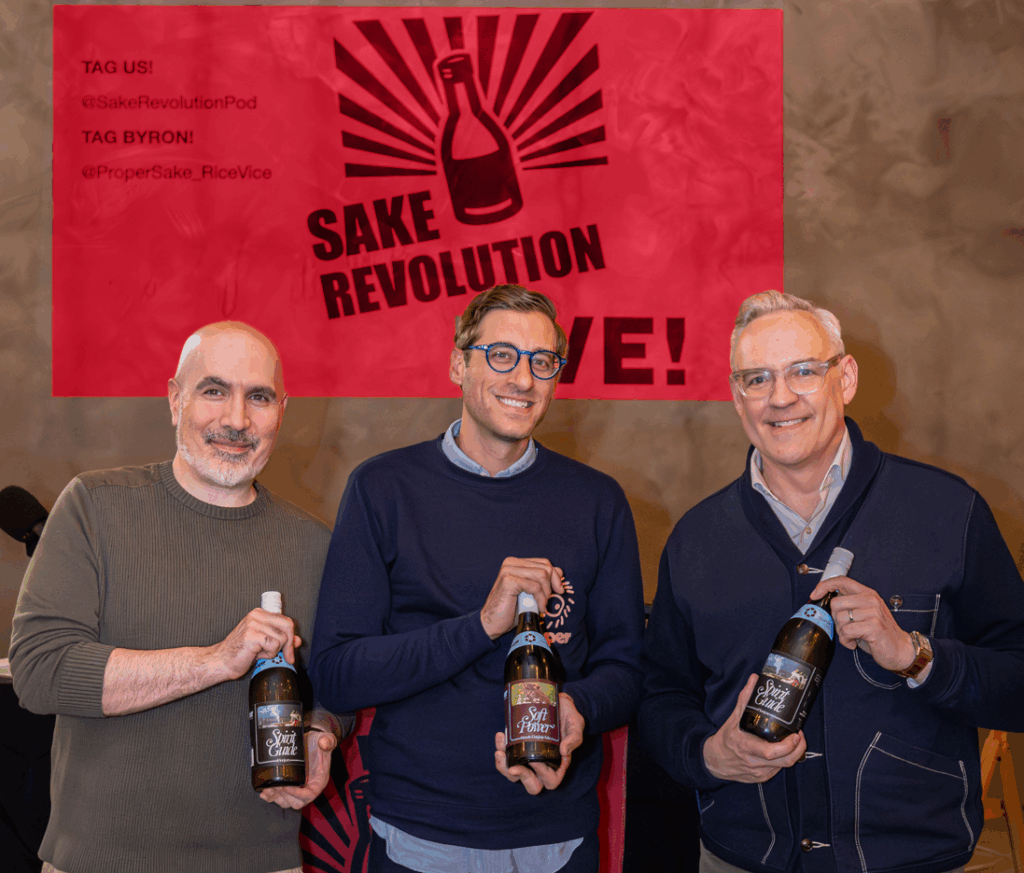
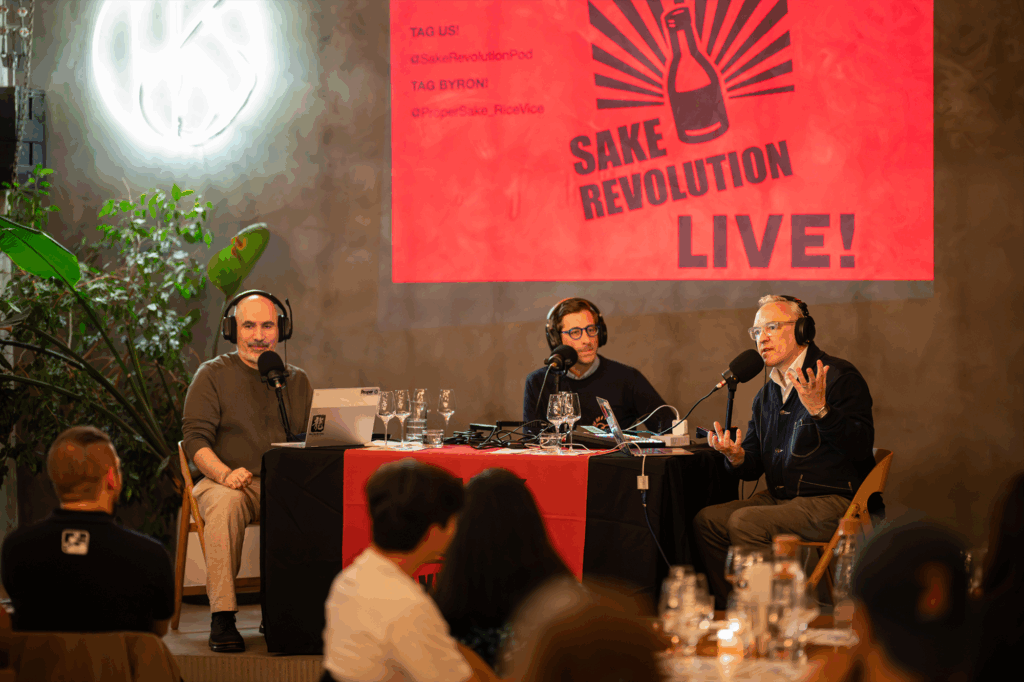
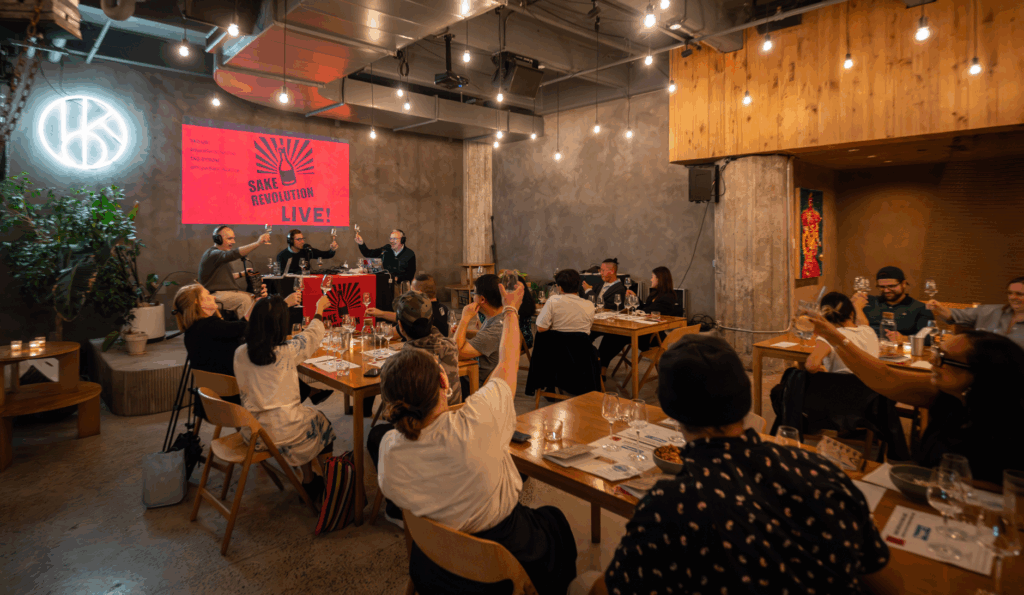
 Episode 183. World Sake Day comes once a year on Oct 1st. For sake fans across the globe, this is our big holiday… think Christmas-4th of July-Halloween all rolled into one! What better way for us to mark the day then with a live recording of Sake Revolution in front of a studio audience and featuring an interview and tasting with a Sake Brewery owner and brewer- our friend Byron Stithem of Nashville’s Proper Sake. All the sake lovers who attended this live recording at the Brooklyn Kura Taproom on Oct 1st, 2025, got to taste along with us as we explored the sake and the stories of this outstanding brewer. We also welcomed audience questions for a fun-filled roundtable of sake exploration and learning – with lots of laughs along the way. Listen in as we celebrate Sake Day 2025 live and in person! #SakeRevolution
Skip to: 00:19 Show Opening
Welcome to the show from John and Timothy
Skip to: 01:28 Guest Introductions: Byron Stithem
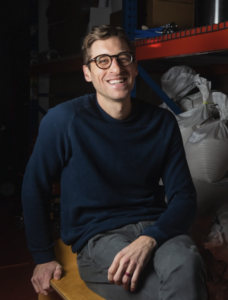
Photo: Starchefs
After Stithem’s son was born in 2011, he and his family returned to Nashville where he helped launch Hattie B’s flagship location and joined the opening team at Husk’s Nashville debut. One year later, Stithem was recruited to be a chef for the traveling culinary pop-up experience, Dinner Lab. He was promoted to director of curation, designing menus and coordinating events with young chefs across the country. Still, Stithem dreamed of sake, longing for the pre-modern styles that were impossible to source in the South. After years of research, several training trips to Japan, and endless hours of experimentation, Proper Saké Company was born in 2016. Nashville’s only sake brewery features Japanese-style beers and a variety of small batch, unpasteurized, unfined, pre-modern-style sakes, all made from Stithem’s koji. He continues to collaborate with many restaurants around the South to bring koji and an assortment of fermented ingredients to their menus.”
– Starchefs
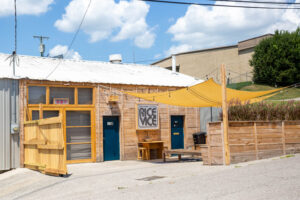
“Rice Vice” is a new drinking concept by Proper Sake Co. in East Nashville. The focus is on curious styles of sake, some made on site, some curated from Japan, Koji inspired beers, the coldest Highballs in town and records to fill your ear canals with the purest audio around.
Byron is a multi-discipline culinarian with an eclectic collection of fermentation and hospitality experience. His goal is to bring sake and other koji based ferments to every table and fridge in the world.
Discover more about Proper Sake Co. and Rice Vice:
Website: https://www.propersake.co/
Instagram: https://www.instagram.com/proper_sake_co/
Facebook: https://www.facebook.com/propersake
Rice Vice Location and Hours:
3109 Ambrose Avenue, Nashville, TN – 37207
Hours
Mon. Closed
Tue. Closed
Wed. 4:00 PM – 10:00 PM
Thu. 4:00 PM – 10:00 PM
Fri. 4:00 PM – 11:00 PM
Sat. 1:00 PM – 11:00 PM
Sun. 1:00 PM – 8:00 PM
Skip to: 22:14 Sake Tasting: Proper Sake
Proper Sake Soft Power Kimoto Daiginjo

Brewery: Proper sake
Classification: Junmai Daiginjo Kimoto
Alcohol: 16.0%
Brewery Location: Nashville, TN
Seimaibuai: 40%
Rice Type: Titan
Brand: Proper Sake
Purchase this sake: https://shopcraftspirits.com/proper_sake/soft_power_-_kimoto_daiginjo_sake_113541
Proper Sake Spirit Guide Yamahai Honjozo
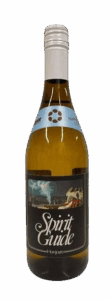
Brewery: Proper Sake
Classification: Yamahai Honjozo
Alcohol: 16.0%
Brewery Location: Nashville
Rice Type: Titan, Yamadanishiki, Omachi
Seimaibuai: 66-70%
Brand: Proper Sake
Purchase this sake: https://shopcraftspirits.com/proper_sake/spirit_guide_-_yamahai_honjozo_167301
Skip to: 38:58 Audience questions

Skip to: 57:25 Show Closing
This is it! Join us next time for another episode of Sake Revolution!
Announcing Patreon
 Now there is a new way to support Sake Revolution. Join us on Patreon! Patreon is an online platform that allows you to support your favorite creators by subscribing to a monthly membership. At Sake Revolution, we’re offering two tiers, each with its own perk. If you enjoy our sake podcast, if you are able, please consider supporting this labor of sake love! See below to learn about our Patreon support levels.
-
Sake Enthusiast
Have you ever wanted to sip along with us as we taste our sakes on the podcast? Now you can! As a Sake Enthusiast patron, you’ll get the inside track and know in advance which sakes we’ll be featuring on the show. This allows you to get them on hand and sip along with us while you listen.
-
Sake Otaku
As a Sake Otaku supporter of the pod, you’ll get access to all the Sake Enthusiast intel along with access to a monthly live zoom Sake Happy Hour taking place the first Weds of every month at 9pm ET (6pm PT). Visit with us live on zoom! Come with all your questions and suggestions and enjoy a relaxed and fun Happy Hour with with us as we all sip sake together!
Episode 183 Transcript
John Puma: 0:21
Hello everybody, and welcome to Sake Revolution. This is America’s First Sake podcast. I’m your host, John Puma from the Sake Notes, also the administrator over at the Internet Sake Discord, and the moderator at Reddit r slash sake community.
Timothy Sullivan: 0:37
And I’m your host, Timothy Sullivan. I’m Sake Samurai. I’m the Director of Education at the Sake Studies Center, and I’m the founder of the Urban Sake website. And John and I will be here tasting and chatting about all things sake and doing our best to make it fun and easy to understand.
John Puma: 0:55
Tim, I, I can’t get used to hearing the music when we’re actually doing this live. It’s like, so for people at home when we do this normally, like it would just kind of pretend the music is playing and then I do the thing and blah, blah. But like hearing, I’m like, oh wow, this is actually pretty cool. Yeah. So normally I only get that in post.
Timothy Sullivan: 1:12
Well, John, I have to say happy sake day.
John Puma: 1:15
Happy sake day.
Timothy Sullivan: 1:16
We are here. Live with all of our friends at Brooklyn. Kura. Say hi everyone. Yes. Alright. And we have to welcome our VIP guest for Sake Day. Byron Byron Stithem. Byron is the owner and brewer at Proper Sake and the owner of Rice Vice in Nashville, Tennessee. Byron, welcome to the show.
Byron Stithem : 1:42
Thank you. Thank you. It’s great to be here.
John Puma: 1:45
Byron is no stranger to this show, though. Is that right? I think, yeah. I think you’ve been here a few times.
Timothy Sullivan: 1:52
Byron, do you know how many times you’ve been on Sake Revolution?
Byron Stithem : 1:55
I believe I’ve lost count.
John Puma: 1:58
Well, wait a minute. Don’t, don’t say that because, uh,’cause you’ve been on, uh, three times and I bet you can count higher than three.
Byron Stithem : 2:07
You’d be surprised.
John Puma: 2:08
So yeah. If you’ve been on, uh, a whopping three times, you’ve been first, uh, back, way back in July of 2021, which was one of the first times we ever sat in a room and did a show together. And it was you and me and Tim and Tim’s apartment, Tim’s living room.
Byron Stithem : 2:25
Yeah.
John Puma: 2:26
Um, with a bunch of mics and a lot of mic bleed. Yeah. Which I imagine we’re gonna get tonight too, which is great. Uh, then, for, in March, 2022, we did our episode 100 Call In where we had all of our friends jump in and say hi to us and you or one of our friends jumped in and said hi to us and we really appreciate that. Uh, but we weren’t done with you yet. And, and it’s, it keeps like, it’s always weird situations’cause it’s like, you know, we had the one where like we were in Tim’s living room and then we’ve got the call in and now, uh, going on we’ve got the craft sake fest where you came over to our tent after winning an award and uh, and, and chatted with us for a little bit and did a little episode with us. We’ve yet to do like the normal zoom with you. And I think that’s, that’s kind of your thing now you’re on So revolution a lot, but it’s never just a regular episode.
Byron Stithem : 3:10
I’d prefer to do this in person, whatever we can.
John Puma: 3:14
Yeah. Uh, well now you’re at three, outta four, so Yeah. That’s pretty good.
Timothy Sullivan: 3:18
Alright, so we, we’ve had you on three times and we’ve told some of your story before, but I’m sure we’ll have a few listeners who didn’t listen to those previous episodes so for them, can you give us a little introduction to yourself, proper Sake and Rice Vice.
Byron Stithem : 3:31
Yeah. So proper sake started, uh, about 10 years ago and we predominantly do kind of old world style sakes. So Yamahai is Kimoto, but emoto’s and since then it has evolved into a multi-location and multi-product line. But the baby of the whole operation is of course, still sake. But we do anything Koji based. So we do koji based beers, we do chu, we do gin and whiskey, all with Koji. And then we now have, yeah, a bar in Nashville, a bar in New Orleans, a where we highlight all of these things, and hopefully demystify them for, for people in person.
John Puma: 4:10
Ooh, I I like that callback. That was nice.
Timothy Sullivan: 4:13
Yeah. That’s awesome. So. One thing you said is something we had not heard before. You have a Rice Vice in New Orleans? We do. Well, tell us how did you get there and how did that happen and why New Orleans?
Byron Stithem : 4:27
Yeah, it’s, it doesn’t make a lot of sense really, but, uh, we, we’ve always loved New Orleans. My business partner lives there most of the year and we thought it would be an interesting place to try out a second location. And so far it’s been pretty well received. It was not, uh, from a permitting perspective, an easy venture, but we’re finally open and so far it’s been been a lot of good times. And, uh. Yeah, we were there to open up for tales of the cocktail, which is a big thing. Mm-hmm. Um, so yeah, coming into month four here. Wow.
Timothy Sullivan: 5:03
Okay. I’ve got a very important question for you in your New Orleans location, which day is more important Sake Day or Mardi Gras
Byron Stithem : 5:12
Uh, TBDI mean, he’s here consider on Sake Day, but we do have events going on in Nashville and New Orleans as we speak. Alright. My phone’s actually been buzzing quite a bit.
Timothy Sullivan: 5:23
Awesome. So, uh, we also wanted to ask you if you have any new sake products that are coming out or hitting the market.
Byron Stithem : 5:34
That’s interesting that you ask because it seems like you’re leading the witness a little bit.
John Puma: 5:41
Just just a touch, just a touch, just a little bit.
Byron Stithem : 5:43
Um, so a, another item that I mentioned that we started doing recently is distilled products. And part of the permitting headache that is involved with certain subsections of sake production is the distillation portion. And, uh, as of as of last summer, we also now have the licensure. To operate, a certain special style of sake called honjozo. And, although we had been beta testing in and around the fringes of legality, we, we do finally have the correct licensure in place to produce, a very interesting style of sake called honjozo.
John Puma: 6:21
Nice. Nice. And, so Honjozo for our listeners who may not be familiar, and then, and shame on you for not listening to our episode on Aruten, what is Honjozo?
Byron Stithem : 6:33
So, uh, Honjozo sake would be sake where a small amount of distilled spirit is added towards the end of fermentation. And the idea being that you can extract some of the, more insoluble compounds that would be trapped in the water and rice in a normal production process. Um, what’s interesting about what we’re doing is we are also using. Distillate that is made from previously brewed sake.
John Puma: 7:00
Ah,
Byron Stithem : 7:01
so it’s, it’s like triple sake.
Timothy Sullivan: 7:03
Yeah. So the, the normal distillate, when you make this alcohol added style of sake, the normal distillate that is added is a distillate of sugar cane. It’s a neutral spirit that brewers in Japan just call brewers alcohol. And you said that you’re using leftover sake. Is that right? Or you’re distilling sake?
Byron Stithem : 7:24
Yeah, we’re distilling sake. So we’re, we’re carving out a little bit of every single batch. Mm-hmm. And reserving that for distillate just for this purpose. Mm-hmm. Yeah.
Timothy Sullivan: 7:33
One way that I recently heard, uh, alcohol added sake being described is that alcohol helps dissolve things. It’s a solvent. And when you add it to the mash. You can dissolve additional rice, you can bring out additional flavors, you can round sharp edges. And, uh, people often wonder when they hear about alcohol added sake for the first time, like, why are you adding booze to booze? What’s the point of putting distilled alcohol into sake? And it really is, um, boosting aromas, rounding flavors, dissolving additional rice. And, it is, uh, really fun when you do a sake tasting to taste a pure rice style, one that doesn’t have the added alcohol and one that does kind of side by side.
John Puma: 8:23
Mm-hmm.
Timothy Sullivan: 8:23
Yeah. Yeah. Awesome. And, uh, any other news coming out of, your world, uh, that may
John Puma: 8:32
involve our world
Byron Stithem : 8:35
perhaps? So we, we recently finally started working with a New York distributor, so with any luck in the next month or two here, we’ll have. Proper sake products in the New York area. Mm-hmm. And yeah, that’s part of this trip is finalizing all of that. Thank you for having us. It’s, it’s wonderful to finally be here. That is some
Timothy Sullivan: 8:58
hot goss right there. Yeah,
John Puma: 8:59
that is, uh, that makes me very happy because previously, in order to get my hands on delicious, proper sake, I needed to contact you and then go to your, like, vino shipper and, and get things sent up here. Uh, and having it just local is so much easier and I cannot wait to be able to hop into a place and get your stuff here.
Byron Stithem : 9:18
I agree with all this.
Timothy Sullivan: 9:19
Yeah, that’s really big news. But I lured all of our guests, I lured them here with the notion that, uh, proper sake is not available in New York. Yeah. So for today, that’s still true.
Byron Stithem : 9:31
It’s still true. Okay. It’s not a lie.
John Puma: 9:35
literally is true tonight, here. Tonight. Yes. So it’s a, a fib. Yeah.
Timothy Sullivan: 9:42
Well, hopefully this will, will this bring you up to New York more often?
Byron Stithem : 9:46
That’s certainly my hope, especially as I continue to rack up revolution appearances,
John Puma: 9:52
we call them revolution credits, sir. Yes. And
Timothy Sullivan: 9:55
there’s a, there’s another Toji that you want to, you know, have more visits then, right? Yeah, maybe. Okay. Mm-hmm. I don’t know if we’re gonna name him, but,
John Puma: 10:06
but he works upstairs.
Timothy Sullivan: 10:10
All right. So, you know, we’re gonna do a tasting of the proper sake tonight. I hope everyone’s looking forward to that. Uh, it’s gonna be in just a bit, but before we get into the tasting, I wanted to ask you if you could talk a little bit about your philosophy of sake brewing. One of the things that, as I, as I’ve studied sake over the years that’s been really valuable is to taste. With the person who made it. And they can talk about what sake means to them, what aspects of sake they really value, what they look out for when they’re producing the sake and what they want the customer to get out of drinking their sake. And we’d love to hear a little bit of that from you. Before we taste your sake, what’s your general philosophy around that?
Byron Stithem : 10:55
I, I think we came to this from a very old world perspective in that when I first started drinking sake, I fell in love with, with some of these more robust, rich styles of sake, like Yamahai and Kimoto and living in Tennessee, that’s not something we have readily available. So a lot of the impetus for the business was just to learn how to make these sakes so that I could enjoy them myself. And over time, that has really spun into some adjacent ventures, but more importantly, hopefully learning to grow the craft of Yamahai and Kimoto sake. So we definitely lean towards the more rich side. I also find that there tends to be, uh, an interesting acidity to Yamahai and Kimoto that works really well with. American cuisine, especially in the South, where it tends to be a little heavier. our flagship products are probably more of a, a blend, hopefully more versatile. They’re, they’re very, uh, very old world meets, new world in that hopefully there’s some nice aroma and they, they have a dryness to them that makes them really approachable with a wide array of cuisines. But, the sakes that we’ve brought tonight are definitely more the, the rich, full-bodied styles, and I hope that you all are, are interested in going on that journey too.
Timothy Sullivan: 12:17
Yeah. Do you have any particular food pairings that you like with your sakes that you serve at rice vice? Anything in particular you bring in to pair with your style of
Byron Stithem : 12:28
brewing? Yeah, I think anything grilled is always a winner, but outside of that, we try and mix it up with some pretty esoteric styles of cuisine. And, uh, more often than not, it seems like lately we have a lot of Italian and adjacent cuisine where you’re really kind of relying on the umami of tomatoes and aged cheeses mixed with the umami and similar compounds that you might find in a yamahai or Kimoto sake.
John Puma: 12:57
Nice. Nice. So, um, you’ve been, we’re gonna go back a little bit. We’re gonna rewind to when you, when you first got, uh, rice Vice going and, uh, it’s been some time now. And so how has kind of the Nashville market for sake changed with you there for the past bunch of years?
Byron Stithem : 13:16
I think it changed in a big way when we opened because. There was really nothing like it at the time. Mm-hmm. And still isn’t. Mm-hmm. For better or for worse. But, um, there’s really not anywhere else that you can go drink sake from a purely educational standpoint and or just a purely frictionless enjoyment standpoint. There, there are more and more restaurants where you can, uh, access a cool list of sake. Mm-hmm. But at the same time, it’s still not a place where you could go and sit down and learn kind of at your, your, your own leisurely pace and or your own expedited pace. Uh, so that really is the, the mission and the goal, and I hope that people find value in that as well.
John Puma: 13:59
Yeah. And so, and so, as you mentioned earlier, you, your business partner lives in New Orleans, so that was one of the reasons that you went over there. Uh, what else drew you to saying like, this is the second place, this is where we’re gonna go.
Byron Stithem : 14:11
Well, I kind of felt like he wasn’t doing enough. No, it is. It is more that we knew the market. We have a lot of friends there. Mm-hmm. And it is obviously, you know, a well-known drinking town.
John Puma: 14:23
I’ve heard that.
Byron Stithem : 14:25
So we knew that the food component could be minimal and people would probably still be interested. Mm-hmm. Uh, it’s also an interesting place from a cocktail perspective because it is also somewhat world renowned for its cocktail culture. Mm-hmm. And we wanted to lean into that a little bit with a lot of our new specialty products, whether it’s chocho or gins or whiskeys, things that we can leverage that community to think of new and interesting ways to enjoy a lot of these Koji based ferments. And also, you know, sake of course, but, um, how do you just get people in the door? Because the ultimate goal is to trick people into drinking sake, right? Yeah. I
John Puma: 15:04
mean, it’s. We are all alleg. At the end of the day, we’re all ninjas. We’re just trying to slide sake into somebody’s life and be like, aha, we’ve got you.
Timothy Sullivan: 15:14
Yes. As I like to say, welcome to the dark side of the force. Yes. When we, when we get them into sake. Now the sake educator in me is coming out a little bit. We’ve mentioned Kimoto, we’ve mentioned Yamahai, how this is a driving force for you and for our listeners and for our people here today. I was wondering if you could talk a little bit about, Kimoto and Yamahai, just a brief description of what it is and what you mentioned higher acidity, but what else draws you to those styles and maybe a little education piece on that.
Byron Stithem : 15:48
Yeah, so the process of making a Kimoto or Yamahai sake requires kind of a whole precursor that wouldn’t exist in a normal sake production, where you are building up a lactic acid. shubo or yeast starter, with which to ferment the whole batch. Mm-hmm. And the difference between that in a traditional or contemporary sake would be that you are building up this lactic acid culture naturally, and along the way you get all sorts of fun flavors and bacteria that add to the depth and versatility of the sake, in my opinion. Along the way, you also, because of those interesting bacterium, get some higher acidity components. And although the, the product takes twice as long to make, I think it’s twice as good.
John Puma: 16:34
Twice as good. Yeah. Shots fired.
Byron Stithem : 16:36
Be three times. I don’t,
Timothy Sullivan: 16:38
when I, when I describe Yamahai and Kimoto, if I’m standing behind a table and I just have a few seconds to describe it, I often describe it as an old school brewing method. Yeah. Mm-hmm. And I think that’s a really good shorthand for understanding what Kimoto and Yamahai are. It’s, it’s the precursors to the modern yeast starter, and it’s known for funkier flavors, more acidity, more boldness. And, um, I think people can, I don’t know if you agree with this, but some people have a love-hate relationship with Kimoto and Yamahai. There’s some people that really get into those bolder, richer earthier flavors. And some people, I’m not naming names, but some people prefer cleaner crispr sakes. Right. Really? Yeah. Oh, how about that? Interesting.
Byron Stithem : 17:24
It is interesting. But, but we definitely try and have a spectrum and some of, uh, myos most inspirational sakes and sake breweries are the ones that really find that balance between old and new. Mm-hmm. And, uh, I think most of our, especially wider range distributed products, hopefully fall in that category where it has the depth and versatility of a Yamahai Kimoto, but it also has the nose. Some, some dryness and some, some elegance that you might expect from something more contemporary.
John Puma: 17:57
Yeah. I think the, the first time we had you on the show, you had coin for me coined the phrase pretty Yamahai.
Byron Stithem : 18:03
Yeah.
John Puma: 18:03
And I think it was, we were tasting diplomat that day. I was like, this is what he means. And yes, this is again, really because I’m, I’m not the Yamahai guy, neither is Tim. Um, but, but having, you know, having that and being like, oh, this really, it, it’s bridging that gap. It’s got that fullness, but really does like, still have a little something for, for the, for the ginjo heads like me. Uh, and it really is just a really tasty sake.
Byron Stithem : 18:29
I mean, that is the million dollar question. How do you make a sake for everyone?
John Puma: 18:35
That’s, that’s hard. Yeah. I think that’s a really hard question to answer. Yeah.
Timothy Sullivan: 18:38
But one thing that I think really speaks to the Kimoto and Yamahai style that you make is that when you get into the discussion of food pairing, it just opens up a door that takes you to different places. You can pair a wider range of food with Kimoto and Yamahai styles, and it all comes back to the U word umami. Mm-hmm. This is, uh, one of the cornerstones of what we get to when we talk about sake and food pairing and Kimoto and Yamahai, those old school styles that give us that deeper flavor, more umami. You can. Open doors to food pairing that I think are not possible with light, clean, dainty styles. Right.
Byron Stithem : 19:25
Yeah, I would agree with all of that. And especially living in the South, that is a, a super prevalent concept with, introducing people to sake in relatively foreign environments. So we do have a lot of Japanese cuisine, but even still, it is not a predominant part of the market. So figuring out how we can get sake into these different, uh, more western cuisine focused restaurants is, is always part of the, the calculus.
John Puma: 19:55
Yeah. And I, it’s, you know, taking that a tiny bit further, those light sakes that I tend to like and lighter fruitier sakes, I tend to like when you have heavier. More flavorful Western food with them. They, they get completely lost. Like when you, when you have some of that food and then you sit that sake, it’s like you, they’ll lose, you lose the, the elegance. You lose the thing that makes that sake special in a lot of cases. But with the yamahais or Kimoto, those, those pre-modern styles, it’s just like, Nope, this is fine. They’re, they’re welcoming it. They’re just like, oh, come on in, let’s go. And that’s, uh, that, that’s kind of the fun part about that style for me.
Byron Stithem : 20:32
For me too.
Timothy Sullivan: 20:34
Yeah. Yeah. So, uh, switching gears a little bit, I think that one thing I’ve noticed this year, 2025 in particular is that I’ve felt through hearing about many different breweries, yours included, that it feels like there’s a real momentum picking up in the US sake industry. I’d be curious to get your thoughts if you think that, there’s, growth happening. If you think there’s momentum happening. You know, people have asked me about sake and I said, oh yeah, it’s the latest craze, 2000 years in the making. You know, it’s like always been on the cusp of becoming the next big thing, and I’ve been in sake for 20 years, and, um, but I, I do feel that there is real growth happening in the US industry right now. What’s your perspective on that? Have you noticed anything happening?
Byron Stithem : 21:24
I feel like sake’s kind of the little engine that could in that department, because. It’s never been explosive in growth, at least in the time I’ve been here, but it does continue to grow year over year and interest in Japanese culture and Japanese cuisine continues to grow. You only have to look at Kyoto this year to, to highlight that. Yeah. Um, but I, I think all in all, that’s pretty effective in the way that sake’s grown into the market. It’s, it’s been organic, it hasn’t been an overnight success. And I, I hope that means that it’ll have longevity, uh, and we’ll continue to grow as well.
John Puma: 22:02
Excellent. Uh, so Tim, uh, I’ve noticed that while we have been chatting one of our glasses. Has some sake in it now.
Timothy Sullivan: 22:11
Interesting. Yes.
John Puma: 22:12
And I think that’s a sign.
Timothy Sullivan: 22:13
Yeah. I think we can transition to our first sake tasting. Mm-hmm. And as we do, I want to encourage all of you to write your questions on the paper. If you have any questions that have come up during our initial discussion, we’re gonna be collecting those right after our second sake tasting. So, uh, please get those questions ready. And, uh, whenever you’re ready to pour the second sake, I think we can do that as well. Um, so, uh, we are going to, uh, start our first sake tasting.
Byron Stithem : 22:43
Mm-hmm.
Timothy Sullivan: 22:44
And I love to taste sake with the sake maker because we don’t have to introduce it, John. No, we can.
John Puma: 22:50
I normally, I’d be getting ready to read off stats, but I, I have a living, breathing version of that right now, right next to me, so this is great. Yes. Uh, so, uh, so Byron, uh, in my glass here, I have the proper sake soft power Kimoto Daiginjo, by the way. I love that name. Well, we’re gonna talk about that in a minute, but, uh, first tell us a little bit about this sake and what we’ve got in our hands.
Byron Stithem : 23:13
Yeah. So the original version of this sake is very much the meet in the middle. New meets. Old, uh, previously, but this one has actually been aged for two years, unpasteurized. So this is a special glimpse. What into Oh my gosh. Yeah.
Timothy Sullivan: 23:32
More hot goss.
Byron Stithem : 23:33
Yes.
John Puma: 23:34
This is like, is normally how, how this goes out? Or is just something you did special for today?
Byron Stithem : 23:38
No, this is something that I keep around for special occasions. Oh. Um, hopefully that’s okay.
John Puma: 23:44
No, no, no. It’s very Okay. It’s more than,
Byron Stithem : 23:47
okay. Okay. Okay. Uh, so yeah, this one is a Kimoto Daiginjo, two styles that don’t normally go together. So the rice is milled to 40%, um, indicative of a cleaner, more elegant style, but it is also a Kimoto. So it has that old world school production where you’re trying to draw out that acid in umami and the, the super fresh. Soft power is very aromatic. It’s a, it’s a contemporary yeast, so, um, a lot of what you get would be more floral and, boisterous on the nose. After two years of aging at five degrees Celsius, it, it has become a very subdued version where all of that aroma I think goes into the body and now you’re dealing with, with the palate instead of the nose, hopefully.
John Puma: 24:38
Interesting.
Timothy Sullivan: 24:39
All right, so this was hand carried for us because they’re, you, your distributor is starting soon, but not yet. Yep, it’s true.
John Puma: 24:47
And I don’t think they’re distributing these special for special occasions. Bottles,
Timothy Sullivan: 24:51
yeah. Now when I taste this, oh, can we get a few of the stats because Yes. Oh yes. That would be good too. So, uh, the sake
Byron Stithem : 24:59
rice and the rice milling. Yeah. So the Sake Rice is grown in Arkansas. It’s a varietal called Titan.
John Puma: 25:06
Mm-hmm.
Byron Stithem : 25:07
And it is milled to 40%, so 60% removed, 40% remaining. The yeast is 1801, so a very modern yeast. Mm-hmm. And again, the production style is Kimoto, so old world production. It’s a four week process just to get the yeast starter going, and then we start brewing after that. Nice. Yeah.
John Puma: 25:27
And then you’ve had this unpasteurized for two years? That’s correct. And is this, has it since been pasteurized or is this still anama?
Byron Stithem : 25:33
This is still a nama-nama.
John Puma: 25:34
Wow.
Timothy Sullivan: 25:36
Yeah. All
John Puma: 25:36
right.
Timothy Sullivan: 25:37
Well, I can give my initial reaction very freely, and I think that if you ever need an example of what umami in sake tastes like, this is it. Get your bottle of soft power. Mm-hmm. Keep it bottle pasteurized and age it for two years, and you can experience the umami we’re tasting. There is a lovely, uh, combination of savoriness and rice flavors. I think that balance beautifully here. Thank you. Thank you. Yeah.
John Puma: 26:08
Did you go ahead and sip without us, Tim?
Timothy Sullivan: 26:11
I did. Yeah. Sorry. I too, I jumped ahead. You did? Oh, goodness.
John Puma: 26:16
Yeah. Well, well, Byron, how you doing? Come by.
Timothy Sullivan: 26:21
That’s for the end. Come by. Well, we can, we can do the aroma as well.
John Puma: 26:25
Mm-hmm.
Timothy Sullivan: 26:27
Yeah, but I think the, the, the flavor is, I like how you
John Puma: 26:30
were so excited. You just like went for it. I know you never do that.
Timothy Sullivan: 26:34
Yeah. I jumped ahead.
John Puma: 26:35
I know you usually set the pace. I’m the one that usually has to hold back, so I get, I’m getting like, it’s a little cheesy notes that I’m getting, but not in a bad way. I know if only people here may know that I do not enjoy cheese, that doesn’t mean I don’t dislike the aroma of cheese necessarily. It just means I don’t enjoy eating it.
Byron Stithem : 26:57
Yeah. So the lactic acid bacteria that is present mm-hmm. In a lot of these ferments was, would be, uh, similar to what you might experience with a yogurt or another lactobacillus culture. So there’s definitely no dairy in here. No, no, no. But yeah, and I think you wouldn’t
Timothy Sullivan: 27:14
be wrong. Yeah. Lactic, lactic. Aromas and tastes are something that are quite common in sake. You can think of cheese, cream, yogurt, butter, those, uh, lactic characteristics are common and can be very delicious. And in my mind, whenever I smell that or taste that, it opens up the idea of pairing with cheese. Of course. Absolutely. Which is my secret weapon. Yes. To bring people to the dark side of the force. Yes. Yes. If only you had some
John Puma: 27:46
kind of a episode of the show where you went into cheese and sake, or perhaps a series, we’ll say Yes.
Timothy Sullivan: 27:54
So I’m very passionate about sake and cheese.
John Puma: 27:56
Yeah. So I’ve now caught up now and I’ve had my sip, and I have to say that. So the aroma really set me up for something that I thought was going to be a lot more, lactic forward, uh, heavier. And when I sip on it, I’m like, oh, this is so. Dangerously drinkable and, and I’m really, really loving this. This is really nice. yeah, I really was expecting something that was gonna be a lot more like punch in my face and said it’s, Really, uh, just, there’s nothing wrong with a punch in the face sometimes with, with a good sake. Um, yeah, no, it’s just like, so, so it’s a lot more, um, a lot smoother than I expected. Yeah, think very nice.
Byron Stithem : 28:31
I think the, the Daiginjo component of this, especially with the very cold aging, helps keep a lot of the traditional koshu aged flavors kind of at bay. And Yes. And hopefully gives you
Timothy Sullivan: 28:43
best of both worlds. And let me translate for you, Byron, when, when John says punch in the face, he, he means it as a compliment. I think
John Puma: 28:50
he does. Absolutely. You, you’ve had a, you’ve had a really like, you know, good piece of alcohol that’s like, been like pow, like, you know what I’m talking about? Yeah. I don’t, don’t pretend
Timothy Sullivan: 29:03
it’s a nama. That’s right. Yeah. Yeah. Uh, do you have any thoughts on food pairing for this particular sake?
Byron Stithem : 29:11
Yeah, so I think this one, similarly if you’re leaning into grilled elements. Maybe on the softer side, not something too aggressively charred. Um, I think it’s really great with various grilled vegetables of, of the yakitori variety. And then, you know, back to the Italian thing, as long as it’s not too heavy, maybe a light pasta with a, a lemony sauce. Mm-hmm. Maybe some butter, not, not cream. Let’s not go with cream.’cause that’s just gonna overdo it, but yeah.
John Puma: 29:44
Mm-hmm.
Byron Stithem : 29:45
Yeah.
John Puma: 29:45
Uh, and, and soft power.
Byron Stithem : 29:47
And soft power.
John Puma: 29:48
What, uh, what brought that on? Was that something you, you were, you like tasting it and trying to put together, like what, what’s the name for this?
Byron Stithem : 29:55
Well, is is a couple of things. One is that the soft power component being you have old world meets new world. Mm-hmm. You have soft, you have powerful. But the, the very first sake that we put into distribution is called the Diplomat. Mm-hmm. And so there’s been a kind of ongoing diplomatic theme throughout our naming. Mm-hmm. Uh, conjunctions and processes. And so this was just kind of a layup in that regard.
John Puma: 30:20
Excellent. I like it.
Timothy Sullivan: 30:22
Yeah. And we should also describe the label for the people at home.
Byron Stithem : 30:29
The label is also in that direction, but there’s not much to do with diplomacy. It has a cat on it. Uh, but it’s a, it’s a cat that is screaming kind of violently into the void and, uh, it’s also a kitten. So yeah, it’s cute, but powerful hopefully in, in many other ways. That sums up what this sake is trying to do.
Timothy Sullivan: 30:52
Yeah. So if anyone needs a visual image for the label, if you’ve ever seen that poster that says, hang in there. Yeah. And there’s a kitty kitty hanging from a rope. It’s kind of like that vibe a little bit. Exactly. Yeah. And it’s very, it’s very cool. All your labels are cool. Thank you. Yeah. Great. Fantastic. graphic design.
John Puma: 31:11
Wonderful. And I think, uh, with that we may pivot to our second sake. The spirit guide.
Timothy Sullivan: 31:18
Okay. Yes, yes. So the second sake we’re gonna taste is proper sake. Spirit guide, honjozo. Yeah. This is an alcohol added style of sake, as we mentioned at the beginning. Mm-hmm. So, Byron, do you want to give us the rundown on some of the stats for the sake, the rice, the milling, et cetera.
Byron Stithem : 31:36
So the, the rice for this one is, is kind of a mixed bag. We had a handful of rices that we were interested in doing from a mill rate. So, uh, these just happened to be in-house Titan, of course, because we always have that. And then, we did have some yamadanishiki, but we also did have a sprinkling of omachi. This was, uh, so everything, everything in here is 65% except for that omachi, which was 70. Nice. And technically, you know, honjozo is supposed to be 70 or under. I don’t know if it’s under 70, but anyways, give us, give us a break, you know? Yeah. You got it.
John Puma: 32:18
It’s, it’s, it’s okay. Since you’re in America, it is not nihonshu, so it could be whatever you’d like.
Byron Stithem : 32:22
Yeah. It actually doesn’t matter at all, does it? Exactly right.
John Puma: 32:24
Yeah. Um, as long as it’s delicious and we all love it. Honestly, I’m, I was surprised a little bit by that because I assumed, like a lot of places do with their honjozo, is that, that it would just be, the diplomat, but with your, aruten component. So I like that you kind of went outside of that and had a little fun with it.
Byron Stithem : 32:41
We’ve done a few different ones and, and this one especially, we had a real grab bag of rice left over from various projects and, and wanted to see how those might express themselves in, in harmony. That’s nice. Yeah. Ooh, so let’s give it a smell.
John Puma: 32:56
Yes. All together, Tim.
Byron Stithem : 32:59
Uh, you might find this hard to believe, but it’s also a Yamahai. I do not find that hard to believe.
John Puma: 33:07
I feel like we should have said something about that. That’s our back. Yeah.
Timothy Sullivan: 33:09
Yeah. Well, this is a brand new product, right? It’s true. Yeah. So
John Puma: 33:14
we’re allowed to trip over it a little bit. Yeah. And we,
Timothy Sullivan: 33:16
we need the, the toji to guide us on this. So our spirit guide, this is, this is a Yamahai. I’m stumbling, but we This is get a Yamahai. A Yamahai honjozo. Yes. And similar to Kimoto. Yamahai is one of the old school starter methods that introduces acidity and umami into sake. Um, and when I smell this, I get, call me crazy, but I get a little hint of something cherry.
John Puma: 33:41
I know what you’re talking about. Yeah.
Byron Stithem : 33:45
I certainly hope so. Yeah. Yeah. Alright, so this is a number nine yeast. Yeah. And again, mostly 65% mill rice. Mm-hmm. Um, and then, yeah. The spirit that’s added right before we, we press the sake is, um, a collection of sake distillate. Mm-hmm. So previous batches of sake that have been distilled. Wow.
Timothy Sullivan: 34:06
The thing that’s so cool about that guys is that I mentioned earlier that most brewers use a distillate of sugar cane to fortify their sake, but using a distillate of sake is super old school. Like that’s what they used to do in Japan before industrialization came along. Yeah, yeah. Awesome. That was certainly,
John Puma: 34:26
I trying to say, they didn’t have part of the counter neutral sugar cane, uh, spirit. Alright, let’s give it a taste. Yes.
Timothy Sullivan: 34:34
Mm-hmm.
John Puma: 34:36
Hmm.
Timothy Sullivan: 34:36
So when I taste an alcohol added sake versus a pure rice sake or a Junmai sake, the thing that always jumps out at me first is the texture of the sake, the mouthfeel. Absolutely. How rounded it is versus a pure rice style. So sake number one is pure rice style, and it has, it’s a little more, uh, streamlined, straightforward. This coats the palate more, doesn’t it?
Byron Stithem : 34:59
Yeah, yeah, absolutely. Uh, a chemical component of distillates, which is really interesting. And if, if you taste this particular distillate on its own, you can kind of get a, a feel for what that palate coating texture is.
Timothy Sullivan: 35:15
Yeah. And adding alcohol to sake. Also, many brewers have told me when I visited breweries in Japan that it boosts aromas as well. And I think if you compare sake one and two here, the second sake is gonna have more, a more, um, pronounced aroma for sure. Yeah, absolutely.
John Puma: 35:32
Yeah. Yeah. And that’s saying something. It’s hearing the first one is a two year Yeah. It is very coating on the palate. It is, it is thick with a couple of seas, uh, and very tasty. Uh, it does beg for food. I’m glad I have some, some, some mixed nuts up here. Yeah. So I am having it with some salty food, which is really nice.
Byron Stithem : 35:53
This might be our, our most food friendly sake yet.
John Puma: 35:56
Mm. And you’re, and you, you aim for that. That’s like, that’s not saying a little bit from you, you know? Yeah.
Byron Stithem : 36:01
It’s the world I came from and it’s the world that I will always be, you know, stuck in. So. Still good?
John Puma: 36:08
Oh, no, no, no, no.
Byron Stithem : 36:10
Well, we all eat.
John Puma: 36:12
It’s true. We do.
Byron Stithem : 36:13
It’s something I think about
Timothy Sullivan: 36:14
every day.
John Puma: 36:15
Mm.
Timothy Sullivan: 36:16
So, as we are enjoying the last sips of these two sakes, I’d like to ask, K.C. and Linnea to collect our questions. We’re gonna be doing our audience q and a sessions, so everyone, if you have your questions, have them ready. We’re gonna get them collected and we’ll give some to John, some to me. And we’re, Byron, are you ready for this? Probably not. I think you’re gonna do great. Okay. That’s okay. I’m not ready. It’s generous. Yeah. So while we’re waiting for that, any food pairing recommendations for your spirit guide?
Byron Stithem : 36:48
Hmm. The, I think you can go a little bigger on the flavors. I think spicy cuisine, especially because that sake is gonna stick on your mouth for a little bit longer with any luck, uh, especially, you know, southeast Asian, Thai, maybe some Korean cuisine. But, um, yeah, also I feel like this one’s been working really well with, with barbecue lately. Ooh, that sounds
Timothy Sullivan: 37:15
good. Can I, can I give you my inspiration that I had? Yes, please. Okay. Uh, I don’t know if it’s the autumnal vibes in the air, but I’m feeling like this would be the perfect sake to bring to Thanksgiving. Oh my God. Think about Turkey stuffing mashed potatoes. Right.
Byron Stithem : 37:33
I, I think that’s right. Yeah. We, we accidentally did it. We cracked the code.
John Puma: 37:41
I, I brought a, I brought sake to a family Thanksgiving once and my thought was Yamahai, like I had to bring Yamahai. There’s no way anything else was gonna really work with like that American Thanksgiving food. So I’m, I’m glad that my, my, my guest several years ago ended up. Standing up against, uh, some scrutiny here.
Byron Stithem : 38:01
Yeah, I’m, I’m from Kansas and it’s very casserole heavy, so maybe that informs a lot of what I do as well. So maybe when I am talking about pairings in the future, it’s, it should really just be casserole based.
Timothy Sullivan: 38:17
I love a good casserole. You’ve heard it here first, everyone, sake and casserole is gonna be the,
John Puma: 38:23
you also heard today that Tim loves a good casserole.
Timothy Sullivan: 38:27
I do. You know what, actually, I have to be honest. Uh, when I tasted this, I thought about my favorite part of Thanksgiving, which is stuffing like. You know, for Thanksgiving is just a stuffing delivery vehicle for me. It’s like, all I want is the stuffing. And, uh, that is what the spirit guide made me think of. Interesting. I’ll take it. Yeah. We’re being honest here. I love it. We can let our hair down, right? Yeah. Okay. In fact, I don’t know if I can, you might see stuffing on the rice vice menus
John Puma: 38:55
from here on out. There you go. Just stuffing. It’s a bowl of stuffing.
Timothy Sullivan: 38:58
Okay, so this is my favorite part of our live shows, John Puma. Oh, really? Really? Yes. Oh, we got, oh, we got a napkin. We got a question on a question on the napkin.
John Puma: 39:07
Do we wanna lead with that one? Regardless of what it says.
Timothy Sullivan: 39:12
Alright. Okay.
John Puma: 39:13
So, uh, I, I, I’ve got a, I’ve a winner, so I’m gonna go for it. And so, and this is like, shame on us for not asking this question, Tim.
Timothy Sullivan: 39:20
Go for it.
John Puma: 39:21
Byron, thank you for coming. Your sakes and temperature, what kind of temperatures do you like to play with, with your sakes?
Byron Stithem : 39:32
Um, a wonderful question and. One that I spend a good amount of time thinking about, depending on what the occasion is. Mm-hmm. I tend to prefer super cold, which is kind of counterintuitive to these full-bodied styles. Mm-hmm. Because I, I also really like the bitter components that you might get in that environment. Um, that said, you know, the most honest perspective, the sake is gonna give, is gonna be more of a room temperature. Mm-hmm. Um, but most of what we do also kind of lends itself to, to being warm. Mm-hmm. And I come from the, the Philip Harper School of Thought that like, it can’t be hot enough, you know?
John Puma: 40:11
Uh, yes. He also keeps his sake in refrigerator so it doesn’t get too cold. So there is that. Yeah.
Byron Stithem : 40:17
He also says once it leaves the brewery, he doesn’t care what you do with it.
John Puma: 40:22
Yeah. He is a, he’s one of a kind.
Byron Stithem : 40:24
He’s a, he’s a real character. Yes, he is. Yeah.
Timothy Sullivan: 40:27
Okay. Tim, what do you got? It’s my turn. Mm-hmm. Okay. This is a question for Byron.
Byron Stithem : 40:31
Wow,
John Puma: 40:32
Byron, popular. If you could
Timothy Sullivan: 40:33
have, if you could have one piece of equipment or ingredient from Japan, what would it be? Ooh,
John Puma: 40:40
I like that
Byron Stithem : 40:41
man. Well, there’s a lot of pieces of equipment that we need from Japan, so I’m gonna go with, with one ingredient, and that would just be fresh yuzu.
Timothy Sullivan: 40:53
Yuzu.
Byron Stithem : 40:54
Yeah.
Timothy Sullivan: 40:54
There’s a tiny little yuzu farm in New Jersey, but there, it’s hard to get.
Byron Stithem : 40:59
It is. Yeah. Yeah. People love yuzu, myself included. And, um, when you put it on the cocktail menu, it, it seems to do very well. Yeah.
Timothy Sullivan: 41:08
John, you’re up.
John Puma: 41:11
Sorry. These are pretty good. I’m trying to decide what to use here. Okay. So, this one actually has two questions. We’re gonna lead off with the first one though. So as far as we’re all aware is Propers spirit guide, honjozo, the First American Honjozo or aruten.
Byron Stithem : 41:28
You heard it here first folks.
John Puma: 41:30
Yeah. Yeah, that’s it. I think
Byron Stithem : 41:31
so. Uh, yeah. I, I don’t wanna speak out of school, but I don’t know of any others. Mm-hmm. Yeah, I mean, I’m sure people
John Puma: 41:39
have done beta testing and, and, and played around with things before. Um, you know, maybe even in their own homes perhaps, but, uh, but I think as far as like a, a product with a, with a label on it, this is probably it.
Byron Stithem : 41:51
Yeah. Yeah. Um, that could be. And it’s available online. It’s available online coming soon to New York.
John Puma: 41:56
Yeah. Well, and then the follow-up question is, what is gonna be coming to New York? Oh, that’s a good
Byron Stithem : 42:00
question. Yeah. Yeah. Um, so hopefully a little bit of everything. Nice. Yeah, we, we will be hopefully in the market of the next few weeks to month here. Mm-hmm. And I think there’ll be a nice array of products from all of the sake skus, but also hopefully some of the spirits in our beer as well.
Timothy Sullivan: 42:18
Yeah. Okay. So we are doing a live stream today with our Patreon members. Mm-hmm. So if you wanna support Sake Revolution, you can join us on Patreon. And we have some people outside of New York who wanted to be part of this evening. So we’re streaming live on Patreon, and we have a few questions from our Patreon audience. Okay. Uh, so this is for Byron. How do you introduce Lactobacillus to your ferments addition or natural occurrence? That’s also, so when you’re doing your starter, that’s also
Byron Stithem : 42:47
a great question. Yeah. And we do both ways. So, Ooh. A we do is traditionally Yamahai, where you are introducing it naturally just based on what is existing in the brewery and in the rice. Um, sometimes we also do what’s called hot Yamahai, where we do an expedited process. Um, and that would be where you introduce a, a precor off lactobacillus culture. And so early on in the process when we were doing Yamahai, we were collecting all these different lactobacillus cultures and figuring out which ones worked most effectively, had the best flavor. Uh, so we, we store those and prop them up for certain batches as well.
John Puma: 43:30
All right. completely changing gears. So this podcast is in case anybody hasn’t figured it out, sake revolution. And apart from the sake revolution, Byron, what is your favorite revolution?
Byron Stithem : 43:45
My favorite revolution. Way to go. You know, it’s hard to say. There’s probably not been a bigger revolution than the sake revolution or a more important one. but I would just say go out there tonight and drink some sake and listen to rage against the Machine. You can have your own micro revolution.
Timothy Sullivan: 44:07
Right? Like it, I like it. Yeah. Okay. We have one more question from our Patreon viewers. Uh, I like your beers, but it’s nice to see you have shochu as well. Is it made with sake Kasu? So this is a question about your shochu.
Byron Stithem : 44:22
Yeah. Yeah. So we do a Kasutori shochu, uh, which is a shochu that’s made with sake byproduct that’s refermented and distilled. We also do any number of other shochus, some that are just purely rice-based, some that are essentially sake, that’s distilled. We do agave, we do sorghum. We’ve done one recently with sourdough bread. That’s been pretty fun. So we take sourdough from a, a local bakery that’s pretty, pretty renowned in Nashville. And once we have a critical mass of sourdough, we will ferment that again and make alcohol with it and then distill it.
Timothy Sullivan: 45:00
I bet that shochu is crummy.
John Puma: 45:03
I am. I am deeply curious as what that’s gonna taste like. I’m a big sourdough fan. I’m like listening. I’m like, Hmm, all right. All right. I, I want sourdough booze. That sounds pretty good.
Byron Stithem : 45:15
You know, it’s not as wild as we had hoped and expected. It’s actually quite palatable. Oh. Which was a surprise. I, I,
John Puma: 45:21
I appreciate that. You want me to temper my expectations? Yeah. Oh. So yeah. in what ways has the Nashville, uh, food culture and just culture in general and flavors influence proper sake?
Byron Stithem : 45:35
I would say initially the, the biggest reason for starting the brewery was that we just didn’t have these styles of sake. Mm-hmm. So for better or worse, that did have some, um, amount of information to get the whole thing off the ground. And then, yeah, the, the general culture around heavier cuisine, um, which continues to evolve, certainly probably played into the style of sake we make, um, over time. It’s also been really interesting to see Nashville’s as city grow, which for those of you not in there regularly or living there, it’s more or less doubled in size in the last decade. And that has been really interesting, from a culinary perspective because we have a lot of amenities and chefs and interesting beverage options that wouldn’t have existed previously. Uh, and it’s been kind of a, uh, an interesting adolescence and growth process to go along with that as well.
Timothy Sullivan: 46:34
Okay. I’ve got a good question here. Mm-hmm. For Byron, how much of your sake is the result of happy accidents versus, or scientific planning? Hmm. What goes into the different styles you brew? Happy sake day.
Byron Stithem : 46:50
Thank you. Happy sake day. Um, I would say we’ve been pretty fortunate with the amount of accidents that we’ve had, uh, happier otherwise, and part of that probably being that the more robust styles of sake lend themselves to these wilder flavors anyways, so it’s possible that. A happy accident I found to be more interesting than not. Um, I would say one interesting development as of late is now that we’re distilling, if something doesn’t taste exactly as we’d like, it goes into the rot map and now it gets distilled and we’re gonna find it in our spirit guide.
John Puma: 47:33
No, not a chance. And it comes back to the sake again. Nice, nice. Um, so I have a, I have a question. I’m gonna anonymize this. This is from, from somebody from Japan who’s going back to Japan tonight. They were very, yes. Who could it be? Anyway, uh, they’re, they were really impressed by the aroma and the taste of, of the sakes that you brought tonight. But I wanna know how, how you think that we can, like mainstream, this kind of thing in the U.S. how do we get sake into places that are not just Japanese cuisine? Because that’s always been the trick. That’s the question. That’s like the thing everybody wants to crack is how do we get this into other places?
Byron Stithem : 48:16
Yeah. I think that is the gazillion dollar question. Mm. And I guess I would come back to the original thesis around, what our idea is, is to take sake directly to the people. And the goal there is that people can. access and learn about sake at their own chosen speed. Um, and hopefully that is accretive then to the greater market, um, which we are always trying to sell sake to non-Japanese restaurants and more and more pick it up over time. but I think it is interesting that the market continues to grow and more and more of these, whether it’s Michelin starred restaurants or, you know, interesting non-Japanese restaurants begin to pick up a wider sake list because they realize it works better with cuisine than, than a lot of different wines or beers. Uh, I, I guess ultimately it all comes back to the, the slower growth process that sake has, whether intentionally or otherwise brought upon itself. Um, that will hopefully lead to, you know, very sustained and long term growth. Again, it seems like it is one of the few beverages that is doing okay in this downturn of alcohol consumption. Yeah,
John Puma: 49:30
yeah. Yeah.
Byron Stithem : 49:32
Do you have any more questions?
John Puma: 49:33
Um, uh, I do. How, how are you doing? I
Timothy Sullivan: 49:36
have
John Puma: 49:36
two more. Yeah, two more. Go for it. Yeah.
Timothy Sullivan: 49:38
So this is a question for Byron. What is a less commonly visited Prefecture for sake, that you would recommend? Mm.
Byron Stithem : 49:46
We were talking about this earlier. Fukushima is a fun one to go visit and, you know, it’s not like they need your support, but they would love it, I’m sure. Yeah. There obviously were incidents that happened at some point that maybe made it difficult for brewers to keep their operations above, above water, I hate to say. But, um, yeah. Yeah. That. The idea being that Fukishima has some of the most interesting sakes and it’s finally being highlighted again. Mm-hmm. Um, in a really interesting way. And we’ve even seen some specific, brew related activities in New York, which was brought to my attention tonight. Mm-hmm. Yep. Anyways, yeah, I would highly encourage people to go visit. It’s a very short train ride from Tokyo. Yeah.
Timothy Sullivan: 50:37
And Fukushima, they win ton of awards in Japan. Absolutely.
John Puma: 50:41
And, uh, I think that the aforementioned events have also discouraged people from visiting area and it’s a beautiful area and people should go over there. I mean, so many people are visiting Japan record numbers every year. Mm-hmm. And they’re going to the same few places. And I think that it really, behooves people to have a different experience by going someplace like Fukushima or, or going up north or. Know plenty of people go into Kyoto, Kyoto’s gonna be there later. It’s gonna be there.
Byron Stithem : 51:07
And also, yeah. You know, if you want to drink sake, yeah. Might not be the best place.
John Puma: 51:12
That is the question though. I think that we can open up though. Tim, what places do you like for people to have sake from?
Timothy Sullivan: 51:19
Well, I have to say niigata, I’m, I’m contractually obligated to say we got, alright.
John Puma: 51:24
Uh, imagining you are not contractually obligated.
Timothy Sullivan: 51:26
My number two is, uh, one place I visited off the beaten path is fukuoka fukuoka, Japan Is. Such a, it’s far from Tokyo and it’s such a wonderful place to visit, and, uh, that’s something I highly, highly recommend. It’s worth the trip and amazing sake, amazing food. Love it. How about you?
John Puma: 51:46
I, over the years I’ve become increasingly attracted to Aomori. Uh, for sake, I think that they have a lot of really good brew. I think there’s a few that get highlighted, but there’s a lot of great stuff from there. They have a style that, uh, reminds me of, of, it’s like Yamahai n kind of got together and. Made sake together. And so it’s, it’s got that fruit, it’s got that little bit of that, that, that dryness to it. Wonderful stuff. The regional style there is really fun to drink. Yeah. Fantastic. Yeah.
Timothy Sullivan: 52:15
Are you ready for the napkin question? I don’t know. Yeah. So this is addressed to Tim and John, but I want to include Byron in this as well. Uh, what is your favorite sake Revolution episode? Oh, geez.
John Puma: 52:30
Oh, I wish you would’ve like, given us a, given us a hint of the beginning and that we needed to come up with the answer to
Timothy Sullivan: 52:35
this. Well, why don’t I go first?’cause I’ve had time to think about this. You have had
John Puma: 52:37
time to to, to ferment this idea.
Timothy Sullivan: 52:39
Yes. Oh, boo boo. Yeah. Yes. So, one of my favorite episodes is the episode where we talked about sake in cosmetics, and I made John Puma wear a face mask. Apply a sake kasu face mask. Yes. And he has a beard, so it kind of fell off the lower half of his face completely. And um, I did have to do some arm twisting to get this episode, to happen. But we did it and I really loved it. And I, I have a number two. My number two favorite episode is when you got sidelined and I got to do cheese and sake pairing with your wife. Myshell, so Sake and Cheese with Myshell mm-hmm. Is probably my number two favorite episode.
John Puma: 53:26
Oh, uh, Tim, I have a question here. Do you have plans to do another Sake and cheese episode with Myshell?
Timothy Sullivan: 53:31
Yeah, the answer is yes.
John Puma: 53:34
Oh, good.
Timothy Sullivan: 53:34
Yes.
John Puma: 53:35
Uh, I can still remember the, the cold wet all, all over my face from the mask of the mask. It was terrible. It was, it was fun. It, it was a lot. Okay.
Timothy Sullivan: 53:48
John, do you have a favorite episode?
John Puma: 53:50
Honestly, and this is, this kind of just is, speaks to how I feel about television sometimes, I guess. But I loved the hundredth episode where we, we had like all of, all of our friends, all of our guests that came on to just pop on and say hi. And, you know, I just, it really like, it made me smile the entire time we were recording and we recorded that over the course of like, two hours. Yeah, it was just such a great time and so much fun to just kind of reminisce and talk to everybody and, about this journey that we had all been on together and, and their part in it, it really just made me smile. It was so great. Yeah. Yeah. And Byron. And Byron, which of one of your appearances?
Byron Stithem : 54:31
I mean, my favorite episodes definitely don’t include me, but, Aw. the early episodes during the pandemic. Oh, I mean, when we talked like this, pop, pop, you know.
John Puma: 54:44
So I think what was saying is that we were better when we were, were were less comfortable.
Byron Stithem : 54:48
It was, it was refreshing. I guess I needed that at that time. Mm. Yeah. So thank you for, for doing what you do. Yeah.
Timothy Sullivan: 54:55
So, Sake Revolution was born of the pandemic.
John Puma: 54:59
Well, that wasn’t the plan though.
Timothy Sullivan: 55:00
It wasn’t the plan, but it happened. It was our pandemic project. It was our pandemic project. And, it’s been so much fun. Yeah. Uh, thank you for that. So We have a few other questions for you. The first one is, Byron, what’s next for you? And what’s next for Rice Vice? What, where are you headed next? Give us the tea.
Byron Stithem : 55:21
Interesting. Um, we have another bar in the works. Oh
John Puma: 55:28
yeah.
Byron Stithem : 55:28
So number three. Nice. Um, yeah. It’s still pretty early, but mm-hmm. We’re looking at Huntsville, Alabama. Nice. Which is, yeah.
John Puma: 55:37
No, I, I, I am familiar with the area. Yeah. Yeah. They could use a good sake bar.
Byron Stithem : 55:41
Yeah, I think so. I think so too. We’ll see. Um, and in terms of, of beverage offerings, we are always working on small batch ferments and small batch distillations. Um, especially to try and refine our cocktail menu and ultimately introduce things that will trick people into drinking sake. Yeah. Yeah.
Timothy Sullivan: 56:02
Awesome. Love to hear it.
Byron Stithem : 56:03
Yeah,
Timothy Sullivan: 56:04
that’s great. That’s more fantastic, uh, information coming from you. Yeah. I wasn’t expecting that drop. That was nice. This is a, we’re gonna have to call this a news episode. This is a, yeah. Breaking news.
Byron Stithem : 56:14
Hopefully we can follow through on this.
Timothy Sullivan: 56:16
Yes. Alright. So our last question to you, Byron, is where can people find you online? If they wanna learn more about proper sake or Rice Vice Let us know. The dets.
Byron Stithem : 56:27
Yeah. Um, our, our Instagram page, which has gotten a little convoluted with all of the operations, will probably be split into three different spaces pretty soon. Mm-hmm. So if you want to follow all of those, you can. Um, if you’re looking for more in depth stuff, the, the newsletter is probably the place to go, which you can sign up on the website. Um, and I. Promise to be gentle with my newsletter offerings.
Timothy Sullivan: 56:52
Oh my. Yeah. So why don’t you tell us the, um, the current Instagram handle and the, your website?
Byron Stithem : 57:00
Yes. So, proper sake underscore Rice vice mm-hmm. Is gonna be currently the Instagram handle and then proper sake.co, rice, vice.co.
John Puma: 57:10
Do co. So, okay. Great. And alright, so here we got all of that. Tim, I think we’ve got most of our, yeah, our mainline items. I think we start to
Timothy Sullivan: 57:23
to
John Puma: 57:24
bring us
Timothy Sullivan: 57:24
out. Yes. It’s another sake day in the books. Oh my. I don’t know if I can revive go back and revise my answer about my favorite episode. I think it might be this one.
John Puma: 57:33
Aw, yeah. You’re so sweet.
Timothy Sullivan: 57:38
It’s very generous. Aw. Alright. Well Byron, thank you so much for coming to New York and being our special VIP guest for Sake Day 2025. It’s an absolute pleasure.
Byron Stithem : 57:50
Anytime Gents, anytime. And by that I mean. Anytime.
John Puma: 57:55
Well, anytime, Tim.
Timothy Sullivan: 57:57
Yes. Anytime. Well, we’re looking forward to having your sake in New York and we are so thrilled that you are able to join us today. This is very meaningful for us and very special. And, uh, we’re so happy to have you. So thanks again. Thank you. Yeah. Alright, and for all of our listeners who are joining us today, we want to thank you so much for tuning in and for all our Patreon supporters who are live streaming today. We want to thank you for being here
John Puma: 58:22
and in this room
Timothy Sullivan: 58:24
and in this room, at least a handful in this room. Yes. And, uh, we want to thank you so much for your support. If you’d like to support Sake Revolution, you can join us on Patreon, it’s patreon.com/sakerevolution. You can check that out to learn more.
John Puma: 58:39
Yeah. And normally I kind of pick one of these things from the list, but I’m gonna kind of go through a few of them today. So number one, show notes. We’ve got show notes that go on, uh, on the website for every episode. Tonight’s show notes will include photos of the labels for all the sakes you had tonight. It’s gonna have all the information about Rice Vice, about proper sake, you know, their newsletter, everything you’re gonna want to see. So even if you’re here in the room, you probably wanna check that out. We always have a written transcript of the episode, and I have mercy on whoever has to transcribe this one because it was, it was a lot. We have, uh, swag and t-shirts over at the shop at SakeRevolution.com. And you know, the algorithm still rules. So if you have a place you like to listen to podcasts, please go ahead and leave us a review. So on that note, please raise your glass. You guys catch some sake, right? Okay. Remember to keep a drinking sake and Kanpai!. Woo.