Episode 188 Show Notes
 Episode 188. Pack your bags — and your sake glass. This week on Sake Revolution, John and Timothy kick off an exciting new series: Sake Destinations, your insider guide to buying and drinking sake like a local wherever you travel. And they’re starting with the big one: Tokyo. Whether you’re planning your first trip to Japan or you’re a seasoned traveler looking to level up your sake itinerary, this episode is your cheat sheet. John and Timothy pull back the curtain on their personal favorites — the spots they actually go back to, trip after trip to enjoy and stock up on sake. If Japan is on your bucket list — or already on your calendar — this one is essential listening. Kanpai!
#SakeRevolution
Skip to: 00:19 Show Opening
Welcome to the show from John and Timothy
Skip to: 04:22 Sake Destinations: Tokyo
Timothy’s Recommendations:
Retail:
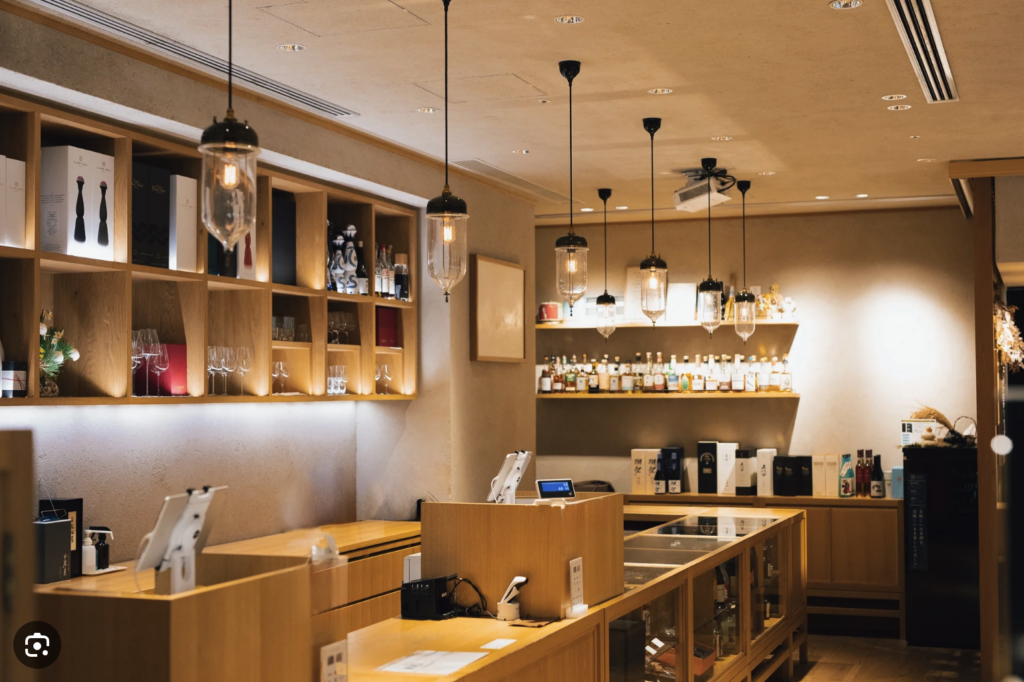 Imadaya Ginza Six
Address: Japan, 〒104-0061 Tokyo, Chuo City, Ginza, 6 Chome−10−1 B2F
Phone: +81 3-6264-5537
Hours: 10:00~20:30
Website: https://imadeya.co.jp/pages/imadeya-ginza-six
Instagram: https://www.instagram.com/imadeya_ginza
Sake Bar:
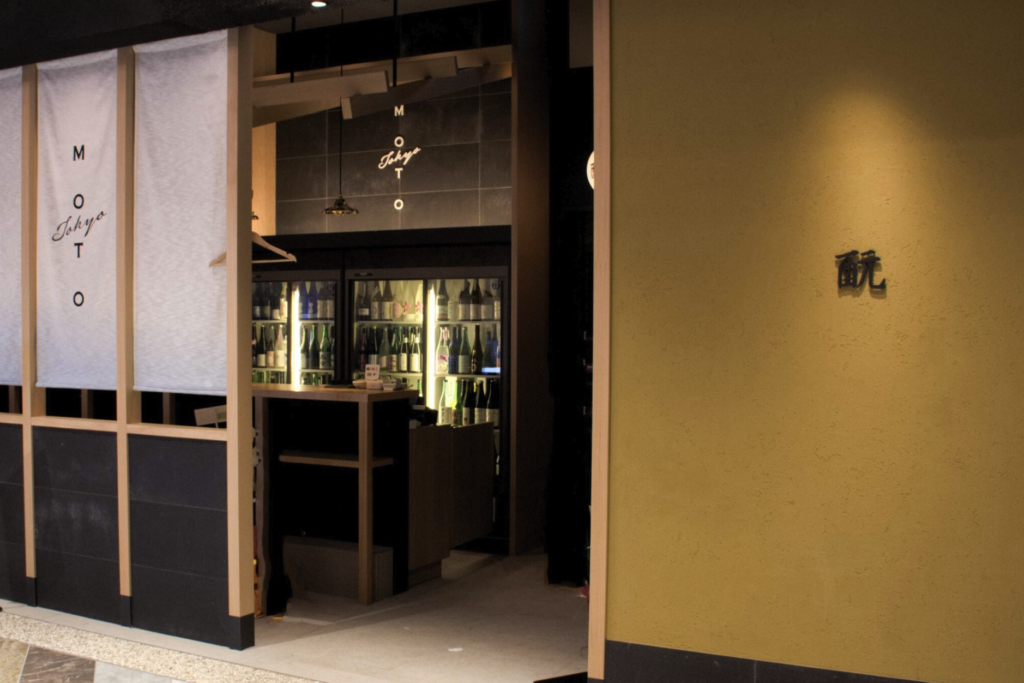 Moto Tokyo
Address: Tokyo Midtown Yaesu 3F, 2-2-1 Yaesu, Chuo-ku, Tokyo 104-0028
Phone: +81 3-6910-3877
Hours: Open Tuesday to Sunday, 15:00–23:00
Website: https://fsknet.co.jp/impression/mototokyo/
Instagram: https://www.instagram.com/mototokyo0310/
John’s Recommendations:
Retail:
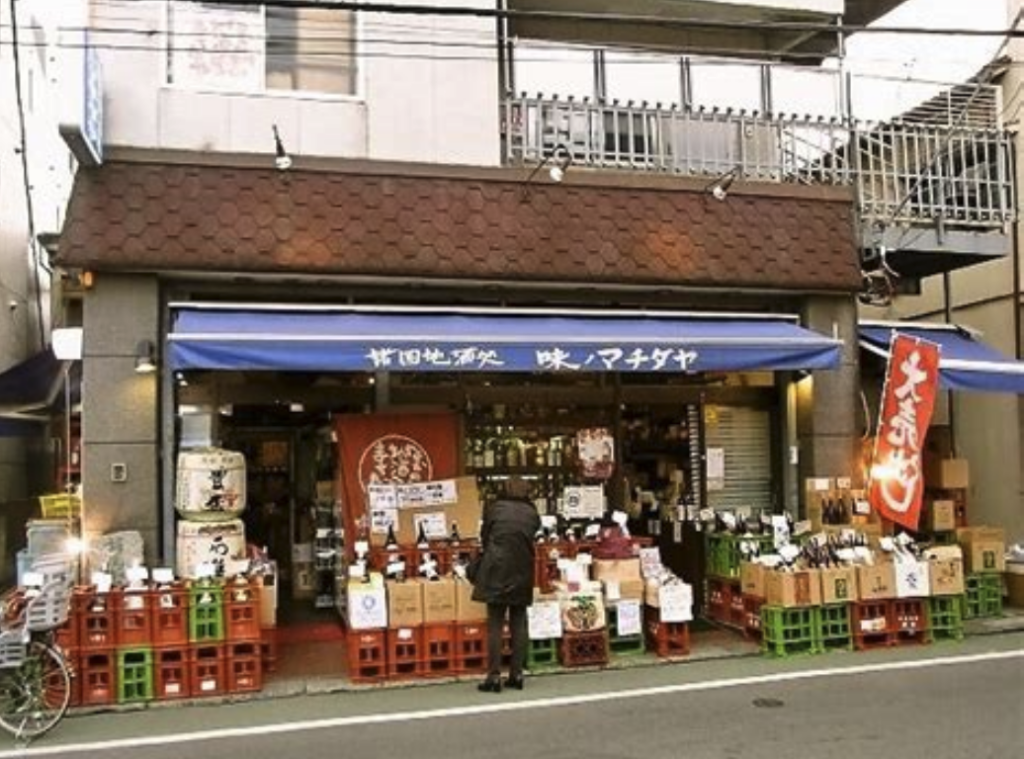 Aji no Machidaya
Address: 1-49-12 Kamitakada, Nakano-ku, Tokyo 164-0002 Japan
Phone: +81 3-3389-4551
Hours: Weds-Mon 10am-6:30pm. Tues: Closed
Website: http://www.ajinomachidaya.com/
Instagram: https://www.instagram.com/ajinomachidaya/
Sake Bar:
 Magokoro Ishii
Address: 2-10-1 Kashima Building 3F, Shimbashi, Minato-ku, Tokyo
Phone: +81-3-3593-0141
Hours: Weekdays: 5-11
Website: https://www.umazake0141.com/magokoro
Instagram: https://www.instagram.com/magokoroishii/
Episode 93
https://sakerevolution.com/episode/survival-japanese-for-sake/
Skip to: 20:45 Sake Tasting
Kaze no Mori Tsuyuhakaze “Black Label 807” Junmai Muroka Nama Genshu
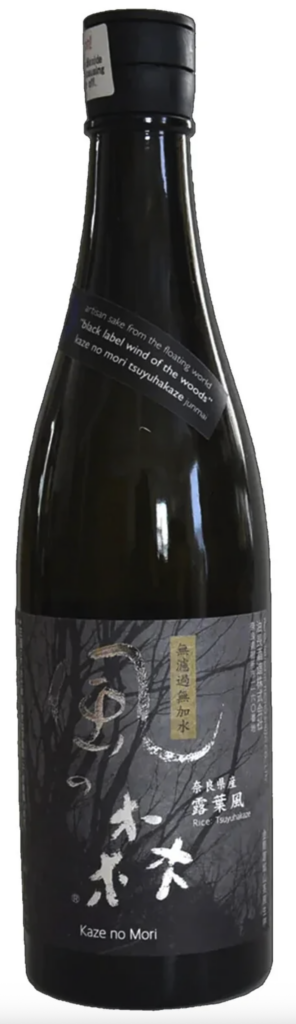
Brewery: Yucho Shuzo
Classification: Junmai Muroka Nama Genshu
Acidity: 2.0
Alcohol: 17.0%
Prefecture: Nara
Seimaibuai: 80%
SMV: 0.0
Rice Type: Tsuyu-hakaze
Importer: Skurnik (USA)
Brand: Kaze no Mori
Gikyo Junmai Ginjo Genshu

Brewery: Yamachu Honke Brewery
Classification: Junmai Ginjo Genshu
Alcohol: 16.5%
Prefecture: Aichi
Seimaibuai: 60%
Rice Type: Yamadanishiki
Brand: Gikyo
Skip to: 33:25 Show Closing
This is it! Join us next time for another episode of Sake Revolution!
Announcing Patreon
 Now there is a new way to support Sake Revolution. Join us on Patreon! Patreon is an online platform that allows you to support your favorite creators by subscribing to a monthly membership. At Sake Revolution, we’re offering two tiers, each with its own perk. If you enjoy our sake podcast, if you are able, please consider supporting this labor of sake love! See below to learn about our Patreon support levels.
-
Sake Enthusiast
Have you ever wanted to sip along with us as we taste our sakes on the podcast? Now you can! As a Sake Enthusiast patron, you’ll get the inside track and know in advance which sakes we’ll be featuring on the show. This allows you to get them on hand and sip along with us while you listen.
-
Sake Otaku
As a Sake Otaku supporter of the pod, you’ll get access to all the Sake Enthusiast intel along with access to a monthly live zoom Sake Happy Hour taking place the first Weds of every month at 9pm ET (6pm PT). Visit with us live on zoom! Come with all your questions and suggestions and enjoy a relaxed and fun Happy Hour with with us as we all sip sake together!
Episode 188 Transcript
John Puma 0:21
Hello everybody and welcome to Sake Revolution. This is America’s First Sake podcast. I’m your host, John Puma from the Sake Notes, also the administrator at the Internet sake Discord, as well as the moderator over at Reddit’s r slash sake community.
Timothy Sullivan 0:38
and I’m your host, Timothy Sullivan. I’m a Sake Samurai. I’m the Director of Education at the Sake Studies Center, as well as the founder of the Urban Sake website. And John and I will always be here tasting and chatting about all things sake and doing our best to make it fun and easy to understand.
John Puma 0:57
Did you say always?
Timothy Sullivan 0:59
always, always,
John Puma 1:00
did I,
Timothy Sullivan 1:01
al, always and forever.
John Puma 1:04
did I, sign? some kind of contract that I missed a fine print on? Wait a minute.
Timothy Sullivan 1:08
How are you, John?
John Puma 1:10
I’m doing all right. I’m doing all right. How about you?
Timothy Sullivan 1:13
I’m doing great. I have a little bit of v wanderlust.
John Puma 1:20
Do you really,
Timothy Sullivan 1:21
I do. I’ve been talking so much about going to Japan and it’s been on my mind. How about you?
John Puma 1:29
uh, me too. Uh, yeah.’cause I was just there, uh, a couple of months ago and, uh, uh, depending on when we hear this, I will, I will either be about to be just there again or I will have just been there again. Either way. Uh, either way I’m going back.
Timothy Sullivan 1:47
That’s right. So you have another trip in the books for Japan. That’s so exciting.
John Puma 1:52
Yeah. Yeah. Yeah. I’m gonna be, uh, visiting, uh, k craft sake week. That seems like it’s gonna be a good time. Now, uh, in, in full disclosure, you have given me some dish on this. You’ve told me that you have, you’ve been to this event before, but not as a guest. Right. You did it as a, uh, as a vendor.
Timothy Sullivan 2:08
That’s right. I was working with Hakkaisan and I took part in Craft Sake week a few years ago, and it was really, really fun. It’s kind of an outdoor event, so it’s very weather dependent, but the, the lineup that they get for guests and brewers coming through as really exciting and it changes every day, so that’s, that’s amazing.
John Puma 2:30
Yeah. I’ve been, I’ve been looking at the list and trying to plan out which days I want to go, but it sounds like I need to look at the weather report more importantly,
Timothy Sullivan 2:38
Yeah. But you know, your trip to Japan got us thinking about the, the huge increase in tourism that’s been going to Japan. And you, and you and I have done a few episodes about. Japan travel, but we thought that maybe we could even make a series out of it, and we decided to call it SAKE destinations and of all the sake destinations, we’re gonna start with the big Kahuna Tokyo. And, uh, we thought we might, it might be useful to some of our listeners if we give our recommendations about where to go for sake. And of course, this is just the tip of the iceberg, but you and I both have a lot of trips under our belt and I thought it might be fun if we share some of the places we’ve gone and really enjoyed. Yeah,
John Puma 3:25
Yeah. Yeah. And, and the way I envision this, this series is, it is not only going to be just like, you know, we can do cities obviously anywhere in the world, which is great. Um, tokyo’s a big place. We can revisit Tokyo again if we have more things that we want to share. Um, we have, you know, so many different options and, and there’s a lot of places. I’m sure that we’re a little chomping at the bit to share with people, but we’re gonna have to, so that we have, we can still do other episodes. We need to comment down maybe a little bit. The excitement is a little high on my end.
Timothy Sullivan 3:53
Yeah. So in future episodes of the Sake Destination series, we’re gonna talk about other cities off the beaten path that you can visit. But today we’re gonna focus on Tokyo.
John Puma 4:04
Yes.
Timothy Sullivan 4:05
this is so exciting. Everyone goes through Tokyo and I think that, uh, there are so many good sake places, it can be overwhelming. So getting a recommendation is a real leg up. And, um. John, do you wanna start with like your restaurant recommendation or your sake bar recommendation?
John Puma 4:24
I’m gonna, I’m kick things off with, and I like doing, I’m doing the very first recommendation in this series. This is very exciting for me. This is a, a place that I have been going to, my Myshell and I realized for over 10 years now. and we we’re very friendly with the, with the owner there. And the name of the, uh, izakaya is Magokoro Ishii. And it is in Shinbashi now. Now, the reason we had originally gone there was, Myshell had seen a, a listing on bento.com, I don’t know, is, I’m not sure if bento.com is still around, it used to be a really good English. resource to, find Izakayas in Tokyo. And there was a, a note in there about this place, and it said that like, you can go there and there might even be like brewers hanging out and, you know, there they’ll, there’s a lot of experimental and, and unlikely bottles there. And it seemed really exciting. And so that was kind of like the impetus for us going was like, this seemed like a place where. Where industry people may hang out. And so we, we ended up going over there and, um, we didn’t, to our knowledge run into industry people. But, It’s a pretty unique place., The food’s wonderful. His sake selections are wonderful, and his ability to pair them is fantastic. But he also, the, my favorite thing about him is that he is a self-defined Omachi-ist. So, yeah. Yes.
Timothy Sullivan 5:48
Do, do you wanna define that for our
John Puma 5:50
So I will, I will. So, um, he is a huge proponent of Omachi rice in sake. And so a, he, it’s not like a disproportionate amount, but he does carry a lot of good Omachi sakes and he carries a lot of, uh, of a wide variety of Sakes. You get anything there, but I kind of like that he, he’s gonna have some really fun Omachi for me stashed away someplace. That’s gonna be a lot of fun for me to drink. And again, I think the food there is magnificent. The staff are extremely, friendly these days. You, probably want to get a reservation, specifically on like your Thursday and Friday nights. One note is this place is in Shimbashi, and Shimbashi was developed with the understanding that it would be a destination for salary men to go after work. And the entire neighborhood is kind of based on that idea, which means A lot of it is closed on Saturday and Sunday. And, uh, Ishii has no exception to that rule. Yeah. When, whenever people message me like, I’m, I’m, I’m in Shimbashi tonight, where do I go? And I’m like, what, what? Wait a minute. Is this Saturday where you are? And they’re like, yeah. I’m like. Ooh. Okay. Well that limits our options a little bit’cause like half of the places I recommend in Shimbashi are, are closed on Saturday and Sunday.
Timothy Sullivan 7:09
So what, what’s it like inside? Is it a small, cramped little sake bar, or is it large? What’s, what’s the vibe inside?
John Puma 7:15
it’s actually, pretty nice inside. It’s not like, you know, decadent or anything, but you know, it’s got a lot of, uh, you know, a lot of wood finish on it. The bar is very nice, has a nice, a little, angled, corner bar. And then, a nice assortment of, uh, of tables that he can put together for large parties and stuff like that. The, the food is generally traditional izakaya food. Sometimes, uh, you know, cranked up a little bit in its, one minor hiccup, their menu is not in English. Most of the staff do speak English, and you probably have a translator on your phone that you can scan the menu with, but bear in mind that the menu itself is not in English.
Timothy Sullivan 7:58
Yes, and we do have an episode survival Japanese for
John Puma 8:02
Yes.
Timothy Sullivan 8:04
for sake, travelers, and I just recently re-listened to that episode and there’s a lot of good information there. I’m gonna put it in the show notes so you can bring our Japanese language cheat sheet for sake along to Ishii and I think you’ll be fine.
John Puma 8:22
Yeah. Yeah, I think so. And, If I didn’t express this well enough earlier, one of the, you know, one of my favorite things there is that he’s really good about.
Timothy Sullivan 8:29
really good about
John Puma 8:30
Not just pairing, but also recommendations. So when you, you know, let him know what kind of sake you like, what you’ve had, what you enjoyed, what did you like about it? He is, uh, again, his English is very good and he’s going to find really good stuff for you. He, in addition to being a restaurateur, is also a sake educator. He, teaches a sake diploma class, that he runs on the premises of the, uh, restaurant during times that they’re closed.
Timothy Sullivan 8:54
Mm-hmm.
John Puma 8:55
Mm-hmm.
Timothy Sullivan 8:56
Great.
John Puma 8:57
And now Tim, what about you?
Timothy Sullivan 8:58
Oh, well I have a Sake bar slash restaurant that I highly recommend and this is actually a place that I’ve taken you to John. So you’ve had, you’ve had this experience as well. So the place that I recommend is called Moto Tokyo, and it’s in the Tokyo Midtown Building and one of the reasons I love this restaurant, there’s many, but one thing I really love is that it is literally across the street from the main Tokyo train station. So everybody, sometime in their travels, passes through Tokyo Station and I often. Book my hotel in the area of Tokyo Station and Moto Tokyo opened a few years back and it’s part of the Moto Empire. There’s a, a few Gem by Moto, there’s a few different Moto Sake bars, but this one has really stolen my heart in a lot of ways. They are in an kind of a, mall type building. They’re on the third floor, so you do have to search a bit to find it up to the third floor and in the front. Of the bar, they have a standing sake bar, and then if you want dinner, they have kind of a high-end dinner experience behind a sliding door. Um, so the good news is that there are websites online that you can. Book that are all in English. I think Pocket Concierge is one of them, but there are these services you can use to book a reservation online. So they take reservations for dinner, uh, not for the standing bar. So if you just wanna stop by for a drink, uh, it’s a wonderful place near Tokyo Station to pop popup. And they have a very wide selection of premium and ultra premium sake from a lot of craft makers. And then. In the back. If you make a dinner reservation, you can get a wonderful multi-course dinner and you can get each course paired. Uh, one of the managers is Mariko Taniguchi and she’s been there every time I’ve visited and she is a wonderful. Hostess and makes you feel so welcome and does such a good job at pairing each course with a special seasonal selection of sake. So I cannot recommend this place highly enough. Moto Tokyo, did you enjoy your trip there? Uh, yes
John Puma 11:24
uh, yes I did. for the record, I only got the opportunity to enjoy the standing bar, but I enjoy myself a really nice standing bar every now and again. Since you mentioned the reservation situation. I did suggest people make reservations for Ishi, but I did not tell anybody how they might do that. And fortunately you can make reservations there via their Tabelog site, which we can put in the show notes. Tabelog has done an incredible job the last few years of making. Nearly everything on their site available in English. So it’s a, it’s a great way to make reservations at, at so many restaurants and izakayas and sake bars all over Japan. Now we’ve got the, we’re gonna move on to our retail section of the episode. Now. Tim, I’d like you to kick the retail off because yours is a little bit more contemporary.
Timothy Sullivan 12:13
Yeah, so I think that, you know, when you go to Japan, you wanna enjoy sake while you’re there at a restaurant. But everyone, I know we did a whole episode on suitcase imports, you
John Puma 12:24
Yes, we
Timothy Sullivan 12:24
you want, you, you wanna bring something back with you, you know, you can put a few bottles. In your suitcase and bring something back to share with friends and family. And if you wanna buy some bottles, retail, finding a liquor shop that has a superior sake selection is worth researching. But we’re gonna take the hard work out of it and we’re gonna give you some, really amazing recommendations. So the. Liquor store that I recommend, or the sake shop that I recommend for, buying a few bottles. Retail. There’s a beautiful neighborhood in Tokyo called Ginza, and Ginza is a bit of a business district, a bit of a nightlife district, and a lot of high-end shops. So it’s kind of like, you know. Fifth Avenue and, uh, you know, you’re gonna see your Gucci Prada, everything else. Uh, but there is a shopping mall, very high end shopping mall called Ginza Six. And if you go two flights down into the basement at the, at the bottom level of. Ginza Six Mall. They have one of those, uh, delicious, amazing food courts where you can get all these high-end different types of food. And down there in the basement, they have a sake shop known as Imadaya Ginza six, and they are open every day of the week from 10:30 AM till about eight 30 at night. And this is my one stop shop for sake, as I am heading out of the country. So I,
John Puma 14:02
Yes, it is.
Timothy Sullivan 14:03
I usually go like the day before I leave and stock up on a few bottles. And, this is such a wonderful place. They have. Almost everything is in refrigerators and they have a beautiful selection of sake, cups, and glassware as well. And the one thing I wanna mention that is especially fantastic about Imadaya is that the staff is so helpful and. Almost all of them speak fluent English as well. So if you go in and they actually wear little flags on their lapel to tell you what languages they speak. So, almost all of them have the little, um, British flag to let you know that they speak English and you can ask any of them for recommendations. And they’re, they’re so helpful and so nice. It’s a wonderful shop. John, I know you’ve been there as well. Do you have any experiences there?
John Puma 14:53
I have been there many times. It is, you know, kind of. I’d say since they opened, they’ve become sort of the gold standard for people in the, the, the Eastern Tokyo area that are looking to pick up some, you know, very, uh, I don’t wanna use the term high end, but we’ll say highly sought after sakes. They get a lot of really exclusive stuff. Uh, and Tim, as you pointed out, so much of their team is English speaking and Yeah, and they’re all really helpful. They all know their sake. They really know, and they deal with, you know, they deal with people coming in there to get sake every day and, you know, that’s what they do and they, and, uh, they seem to love it and they do a great job of making recommendations.
Timothy Sullivan 15:33
Yeah. And one last thing I wanna mention about Imadaya is that if you do go in there to the Ginza six location, they have a counter, and at the end of the counter, they almost always have sake available for sampling. So if you have some time and you have a few extra minutes, uh, please ask them about if there’s anything to sample. It’s a reasonable fee by the glass. They usually have six to 12 bottles, uh, behind the counter to just pour and give tastes and, um, they also do some classes as well. I’m not sure if the schedule on that, I’ve never kind of lined that up. But, I think that it’s, it’s a super reliable place. The sakes do lean more towards the high end, so you’re absolutely right. It’s, this is not a budget place
John Puma 16:19
No, no, it’s
Timothy Sullivan 16:20
sake, but., the selection is unique in that they get a lot of very sought after brands and they have a lot of seasonal releases as well. So if you’re looking for a special gift, they have a lot of reserve bottles and, um, I think you could literally go in with a blindfold on and just pull bottles off the shelf and just come home happy
John Puma 16:44
you’re gonna have a great time.
Timothy Sullivan 16:45
So John, I wanna pass it off to you now and get your Tokyo recommendation for a really good sake retail shop. So what do you recommend?
John Puma 16:55
Alright, so here’s the thing. I, when I saw that you picked Imadaya, I was like, well, I can’t, I can’t go toe to toe. With you on Imadaya, because, it’s in central. It’s in like, you know, central eastern Tokyo. It’s immaculately positioned. It is, ultra convenient. Everything they have is great. The entire test staff speaks English. What am I going to do? So I decided to go the opposite direction and I found a place that, is a little off the beaten path, but is very, very famous and has been around for a very, very long time. It is called, um, Aji no Machidaiya, oftentimes it is just called, people just refer to it as like sake. Shop Machidaiya or just Machidaiya. It is very famous. Again, it’s been around for a very long time. And one of the things that they do a lot of is they supply a lot of Izakayas and restaurants. A lot of places that you’ll go to in Tokyo, They’ll get their stuff from there. It’s really nice, but one other thing that’s really fun about them is that they have the most One Cups I’ve ever seen in one place. They advertise selling over 100 different types of one cups. I didn’t know there were 100 different types of one cups. But they do, they have like NAMA one cups. I was like, wait, what? Unpasteurized one cups? Where is this coming from? And a lot of it is, a lot of their One cup selections are local to, are local to Tokyo or the, the vicinity, the Greater Tokyo vicinity as well, which is pretty cool. So the only trick is that it is a little bit out there. It is. If you, are you, Tim, are you familiar with like a, like nakano, like Nakano Broadway though? It’s like, it’s like a, like a stop or two past that. And then you have to walk for about 10 minutes or so. Um, but. It is so worth it. It, and it just like when you get there, you’re just like, oh my God, I am in sake Heaven. It just, it feels so, um, you know, it’s a family owned business. It feels very like, like Deep Tokyo. It feels very like rich with history and again, their sake selections are insane. They have so much great stuff there and, a lot of it’s gonna be. They’re open from 10 to six 30. Wednesday. Through Monday. Uh, and they’re closed on Tuesdays.
Timothy Sullivan 19:24
Okay.
John Puma 19:25
Yeah. So yeah, exclusive bottles. Really fun. One cups great place.
Timothy Sullivan 19:29
I will have, you know, I have gone there before
John Puma 19:33
Aha. Have you?
Timothy Sullivan 19:34
yes. And I went, I went to this place before Google Maps, and I, I found it. But if anyone is a little bit older and they understand getting around Tokyo before Google Maps was a different thing than it is now.
John Puma 19:51
It, it was very much a different thing. Now I have been to Tokyo pre Google Maps. I did not go to Machidaiya pre-Google Maps though. Uh, I, I definitely used, I had a little help in my pocket. Uh,
Timothy Sullivan 20:03
Yeah.
John Puma 20:04
but yeah, it’s a really fun place and I, I, I think that as an experience, it’s something that ev any sake lover should, uh, should try to get to do at some point.
Timothy Sullivan 20:14
Yeah. And the, the one cups are fantastic to bring back as gifts for people. So if you go to Machidaiya and, you know, grab a few really fun looking one cups, you know, they’re gonna be super fresh, right? yeah. And, uh, it’s, it’s like the ultimate little Omiyage or little gift to bring back from Japan. Uh, and, uh, highly recommend it. It is off the beaten path, but if you are. Looking for a sake adventure. This definitely fills the bill.
John Puma 20:45
Yeah. Yeah. I’m a, again, a big fan of this place. It is, again, it’s kind of far, but I think the, the, you know, if you’re a Sake fan that’s visiting Japan, visiting Tokyo, you owe it to yourself to get over there one time. You’ll not regret it. You’re gonna have a blast over there.
Timothy Sullivan 21:01
so I just want to reiterate again for all our listeners that if you are interested in either of these restaurant or retail recommendations, please visit our show notes at SakeRevolution.com. We’ll have all the details, pictures, store hours, and Google Map links for you to find these for yourself when you make it to Tokyo.
John Puma 21:23
Great. Uh, so Tim, all of this talking about, uh. Shops and Izakayas. I’m getting thirsty. I’m getting a little bit thirsty and I want taste some sake myself. So what do you say? We grab some bottles, you and me, uh, different bottles because I, I wanna keep things interesting and uh, and then we’ll talk about them. We’ll set them.
Timothy Sullivan 21:44
sounds great.
John Puma 21:45
Alright.
Timothy Sullivan 21:46
so I wanted to go out and pick a bottle to bring on the show that kind of made me think of my time in Japan and something fresh and seasonal. So I found a seasonal unpasteurized sake. And, let me introduce it to you. So I’m gonna be tasting Kaze no Mori And this is Black Label 8 0 7. It’s a Junmai Muroka Nama Genshu, and this is from Yucho Shuzo in Nara Prefecture.
John Puma 22:19
Yeah.
Timothy Sullivan 22:20
Ka Noori is a brand we’ve had on the show before. It’s known as a brewery that produces, you know, maybe a little bit more of a wine like impression. Sometimes a little Higher. Acidity, very juicy and rich. And uh, this sake uses a local rice Tsuyu Hakaze, and it’s only polished to 80% remaining. So. A lot of sakes get the very fine, super premium polishing, but they are on a kick to use as much of the rice grain as possible to be as sustainable as possible. So they only mill the rice to 80% remaining. And they use yeast number seven. SMV is zero, acidity is 2.0 and the alcohol percentage is a little high’cause it’s a genshu. So we’re at 17%.
John Puma 23:15
Very nice. Uh, okay.
Timothy Sullivan 23:18
John, what sake did you pick up to? Uh, talk about our travel recommendations with
John Puma 23:24
Sure. So I picked up a bottle of, Gikyo Junmai, ginjo Genshu. It is from, Yamachu Honke Brewery and Ichi Prefecture. And Tim, this sake comes wrapped in a newspaper and I am very excited about that. There’s something special about getting a Genshu that’s wrapped in newspaper. So yeah, no, this is really, cool. We got some, we got some sports page here. We got some baseball, it looks like. And then they just slap their, like their little, information sticker on it on the front. Which I’m wondering what’s gonna be under their, once I take this wrapping off, but Yeah. I’m a big fan of Gikyo stuff. They sell, handful of different bottles here in the US and I was happy to get my hands on this one. This, as I mentioned is a Junmai Ginjo Genshu using, Yamadanishiki Rice polished down to 60% of its original size. The, uh, the alcohol percentage has a range here, Tim, it’s a 16 to 17%, they’re not sure. And it’s using, yeast number nine.
Timothy Sullivan 24:26
All right.
John Puma 24:26
A classic, if I recall correctly.
Timothy Sullivan 24:29
Absolutely. All right, well, let’s get our bottles open and into the glass.
John Puma 24:34
All right. Get this rubber band off the newspaper.
Timothy Sullivan 24:39
My, my Sake came with a warning that it may pop the cork open, so I have to open with care
John Puma 24:46
Please do. Please don’t. Don’t hurt yourself.
Timothy Sullivan 24:48
now. Ooh. It did fizz when I opened It Yeah.
John Puma 24:54
I, I expect some fizz from Kaze no Mori.
Timothy Sullivan 24:56
Yeah. Okay. I’m gonna pour by the microphone. Let’s see if we can get this. All right. All done.
John Puma 25:07
all right. As I unwrap Ichi, I can tell you that this newspaper is from August 10th, 2024.
Timothy Sullivan 25:14
Okay.
John Puma 25:17
I don’t know when the sake was bottled necessarily, but that’s, that’s the newspaper. Oh, actually I do, the Sake was bottled on uh, June 2025. So they keep this newspaper around for a bit and oh, there is a contemporary label underneath the newspaper. Is a very, it’s a classic Gikyo label. So Tim, we’ve both got our sakes in the glass. Yours almost exploded on you, but I’m glad it didn’t. And, uh, what’s that? What’s that aroma got for you there?
Timothy Sullivan 25:49
Yeah, so again, this is the Kaze no Mori, uh, black Label, 8 0 7, and the 8 0 7, by the way, the Eight zero refers to the milling rate, and the seven refers to the yeast variety.
John Puma 26:02
Ooh, that’s nice. I like
Timothy Sullivan 26:03
yes. So 8 0 7 is a combination of the milling rate and the yeast. Now, when I smell this. There’s a lot of tropical fruit, and the one thing I’m getting in particular that really jumps out to me is pineapple skin. Like, you know, when you peel a pineapple and you smell that it’s got, it smells like pineapple, but it’s got a little bark, uh, you know, a little, uh uh. Woody note in there too. That’s what I’m smelling here. So it’s primarily pineapple and, uh, some melon, but very rich and something a little intense. Woody barky as well going on.
John Puma 26:45
Woody Barky. All right.
Timothy Sullivan 26:48
So I’m gonna give this Kaze no Mori a taste. Mm. Okay. Oh, wow. So on the Palate,
John Puma 26:59
Uh
Timothy Sullivan 26:59
this, this is a freshly arrived. Unpasteurized, Saje, and I felt some little fizz when I opened it. And you don’t, you don’t see it in the glass, but when you bring it on your palate, there is a prickling sensation, so the carbon dioxide is still there. These unpasteurized sakes are technically still alive and still bubbling away a little bit and. You really get the sensation of the super fresh, prickling on the tongue from the carbon dioxide in this. So that’s, it’s very rare in the States to get a nama that fresh. So this is something that just came in. To the, a store I bought it from. So I know I got it fresh off the shelf and that’s delicious. The flavor profile is rich. It’s high in alcohol. We’ve got 17% here and it’s got a, a lot of juicy characteristics. Again, kind of pineapple forward, but more fruity and, but there is a very lingering aftertaste. So this is, keeping up with that. Wine like rich, juicy characteristic that I feel we often get from Kaze no Mori.
John Puma 28:14
Hmm. For me. The thing I enjoy the most about Kaze no Mori is that mouth feel. That prickling that you were describing, I was like. Oh, I wish I had some of that in front of me right now. It’s so good it’s a thing that I’ve been seeing more breweries do, but I think they do it best, and I think it’s really a lot of fun.
Timothy Sullivan 28:31
Yeah, they do it best. But I have to say, to put it in perspective, like Kaze no Mori, this brand is something I go to when I wanna show more the avant-garde wine, like direction of sake versus something clean, crisp, and dry, or more muted or more Rice-y like. This is a, A style of sake that really is, has a real point of view. You know what I mean?
John Puma 28:56
Nice.
Timothy Sullivan 28:58
So John, why don’t you take us through your Gikyo.
John Puma 29:02
I will, I will. So this Gikyo, I didn’t, I didn’t mention earlier that, so while Gikyo is in Aichi Prefecture, the Yamadanishiki that’s in this glass, is actually a product of Hyogo. So, uh, a lot of breweries, when they’re doing something a little more high end. They’ll make sure that they get Hyogo Yamadanishi ki. And in this case, it’s uh, it is grade a, uh, Tojo. Yamadanishiki. That’s been mill down to 60%. So let’s get some aroma going on here. Hmm. I got a little, almost, Pineapple,
Timothy Sullivan 29:37
are you, are you copying my
John Puma 29:38
I’m not copying your, no, no. It’s not like skin. No. It just like, there reminds me of like, when I, you know, open a container with sliced pineapples in it, I’m like, oh yeah, it’s like that.
Timothy Sullivan 29:49
yep.
John Puma 29:50
Um, alright. And now the taste. Ooh, that’s nice. As a really, really pleasant, a city that goes throughout the, entire taste. It kind of starts out a little bit more on the, on that, that John Puma, that melon journey, a little bit of fruitiness and then. And then it doesn’t finish that way it, a little bit more rice forward and, but it keeps that, that little acidic zing to it. It’s really nice. In my head, I’m I like, focusing on this and thinking about it when I’m sipping on it. Meanwhile, if I was drinking Kaze no Mori, I would just be celebrating the deliciousness in my mouth the entire time. This is a much more, this is something that much more like, Ooh, this is interesting. Like, what’s going on here? It’s all a very, very tasty sake.
Timothy Sullivan 30:45
Yeah, that sounds fantastic as well. I think we both picked sakes that are kind of in the same direction.
John Puma 30:52
Possibly, I think your, your, your wine situation is much more, uh, you used avant garde, but I think you have a much more modern situation. I think that this is leaning a, a touch more on the classic side. It’s not like super classic, but it is, a little bit more traditional while yours is a little bit more, new and exciting,
Timothy Sullivan 31:14
yeah. I just want to mention one last thing about my sake is that, you know, the rice milling at 80% is very unusual. Like normally for Junmai it’s 70% or less remaining, but they leave the rice grain very whole at. 80% and you would think that would give the sake a very grainy rice forward taste. But it doesn’t. The magic and the skill and the craftsmanship really comes in when they take that 80% remaining, lots of fats and proteins still on that grain and they sculpt it into something that has this, pineapple melon, and a wonderful juicy texture to it. There’s also like. You know, apricot notes. So it’s a little, ripe, fruits and just delicious and you don’t get that super rice taste that you would expect from an 80% milling. So that’s speaks to the skill of the brewers, I think.
John Puma 32:16
It’s very interesting to me that, so you’ve got something with 80%, mine is milled down to 60. Yours is very bright and juicy. Mine is a little bit more rice forward, and the characteristics of that yamada really come. Through. also we’re both sitting with 17% alcohol, and I didn’t, you said to yours, you really don’t taste the, the alcohol. Right.
Timothy Sullivan 32:34
Oh, it’s strong. It’s strong. It’s strong on the finish. So there’s a lingering finish. I kind of, uh, folded that into my idea that this is a wine like sake, longer finish, and, but, the weight is there with the alcohol. And I, I pick up it more on the finish the aftertaste.
John Puma 32:53
Mm mm I’m aware that it’s a heavier more alcohol forward sake, uh, from the moment I start tasting it. And it’s not a, yeah, that is not a, a bad thing. It’s a, it’s just a, it’s what they have constructed. It feels very intentional to me. Really good stuff. On that note, Tim, this has been our first, excursion.
Timothy Sullivan 33:14
Yeah, SI think it went really well. I’m, it makes me want to go to a sake destination.
John Puma 33:23
Oh, that’s a sake destination. That’s not our Zoom channel.
Timothy Sullivan 33:27
Yes, exactly. Well, you’ll be, you’ll be at a sake destination soon. So let me be jealous of you for a minute. But, uh, you’ll, you’ll be back soon and then it will be my turn again. Well, I just want to take a moment and say thank you to you, John, nice to taste with you. And I also wanna say thanks to all our listeners. Thanks so much for tuning in again today. We really hope you’re enjoying our show. Uh, now if you would like to support. Sake revolution. The best way to show us support is to join our community on Patreon. We’re a listener supported show, and the support we receive from our patrons allows us to always bring you a fun and interesting show about sake. If you would like to join our Patreon, visit patreon.com/sakerevolution to learn more
John Puma 34:16
And as always, if you would like to reach out to us directly, if you have a sake question that needs answered, if you, uh. Want to know more about perhaps, uh, new places to discover sake? Reach out to us at [email protected]. You can also get at us on, Instagram and Facebook. We do respond to those messages as well. And we’re looking forward to hearing from you. So on that note, Tim, please raise some of that Kaze no Mori. Remember to keep drinking sake and Kanpai.